How important is the time of day when you shoot a photo?
When you take the photo is just as important as what you photograph
Seems there is all sorts of information out there about what to take pictures of, but no one (other than landscape photographers) talk much about the TIME you take your photo. In this article, I want to explore this a little with a simple location that is right down the road from my apartment and show the difference that just a few hours can make in the mood and feel of a location that is being captured.
The camera of choice with my the Leica CL with the TTArtisan 17mm f1.4 lens shot off of a tripod so shutter speed isn’t a problem. I will be maintaining an ISO of 100 for all photos and an aperture of f11 on all photos, so shutter speed will be what I have to change to keep the exposures to where I like them.
The time of day is something that a lot of people think about a little but really don’t put much effort into the planning of the photo. It takes a good bit of reconnoitering to get the location scouted with the vibe you are wanting in the photo. I see these locations all the time, when I am driving around in the day time and when I see them at night it is a completely different scene. Some people like shooting in the daytime, some like the blue hour or golden hour and some, like me, prefer the night… So seeing a night photo while viewing the scene lit by the sun is a problem. I can get somewhat of a visual based on previous photos I have taken of other locations, but until you see it lit by the street lights and 8’ fluorescent tubes, you just don’t know what you will be getting.
I don’t know why I like shooting at night so much, but I do. The low light and the negative space just do something for me and the photos reflect it.

Ybor City has some interesting light that is only available at night.
I do like some blue hour stuff to add the touch of blue sky to my images at times, but not always. Another perk to shooting at night is that it is cooler in the summer months, with temps being generally lower and the sun in not beating down on me, I am more inclined to stay on a location longer and get better images. Street photos at night are a little tougher as I need larger apertures to keep ISO manageable, and this means focus is a lot more of an issue as depth of field is significantly shallower than in the daytime, but it is manageable if you think about it first.
I normally set focus traps and shoot in burst mode and this will usually net me a sharp photo of a scene at night at even crazy large apertures like f1.4 or f0.95… It just takes a bit of practice and patience.
The gear matters…
The gear you use at night matters just as much as the subject you are shooting. If you have the wrong equipment, you simply won’t get the shot.

Fast glass gives you options.
Take for instance, street photography, this is dynamic and has movement in it. For most human movement, a shutter speed of 1/250 second will freeze action sufficiently. 1/200 in a pinch if the subject isn’t moving too much will net sharp photos. Well, to get a decent exposure, you will need fast glass, shot wide open and will still probably need a fair amount of ISO to compensate.
Now, if you are shooting static subjects like buildings or scenes and motion isn’t an issue, you can just let the shutter stay open until the exposure is good, but once you cross about 10 seconds, humans tend to vanish from the scene… Cars make long lines with their headlights as they drive by and things begin to look different. So you can see it all depends on what you want to capture to drive your gear choices here.

I personally like to have fast glass if possible as this is the most versatile lenses. These lenses can still be stopped down for times when you want deeper depth of field and opened up when you need the extra light gathering power of “fast glass”. So whenever possible, I will always opt for the larger aperture option over the smaller, if just makes sense to me to have that extra optional aperture when needed. The old adage “better to have it and not need it than to need it and not have it” comes to mind…
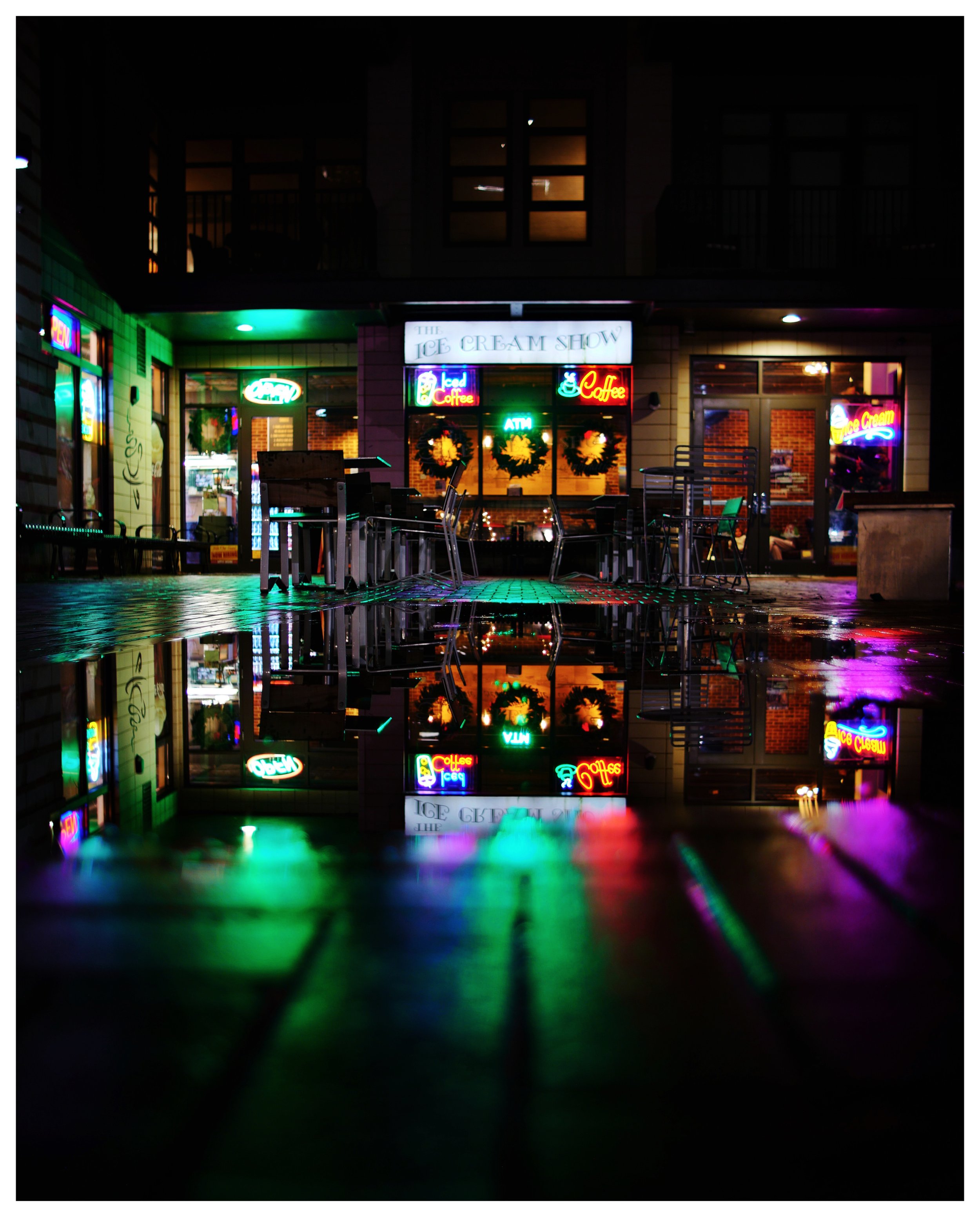
Water reflections are magical in low light or night photos.
Now that lenses are talked to death, what about the camera? Well, honestly any camera will do. It is the least important part of the equation to be honest. As long as it can be controlled manually for all three major functions, it will do. You see, it must be able to adjust shutter speed, ISO and aperture manually to be able to get creative results at night. The camera running in automatic mode will make choices in these controls that will not be what the photographer wants most of the time. It is guessing and will most likely guess wrong… But just about all reasonable cameras will let you control these functions and this is where it gets good…
The time of day.
Back to the original subject. Here are two photos taken from the same location, with the same camera and lens combination, at two different times of day.

Here we have a daytime scene of a garage.
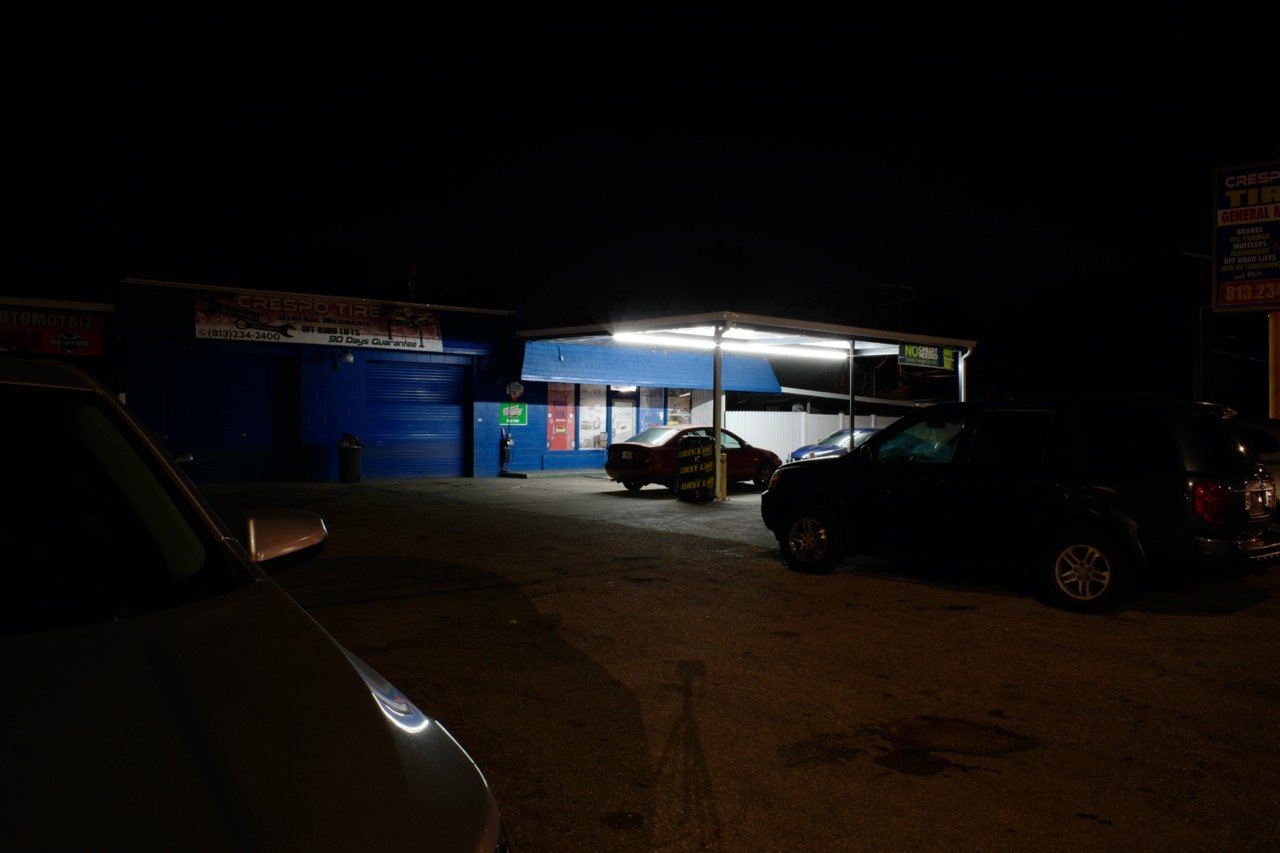
Here is the same composition at night. Notice the change in mood.

Here is the same scene, but the overhead lights are turned off (different day). This changes the mood even more and gives the scene a different feel. Take a look at the scene below of the Dutch Motel sign I found the other evening. The daytime photo isn’t much to look at, but the night time one has all sorts of interesting features that make it unique and otherworldly since it is distorting time so much with the incredible shutter time of 10 seconds!

The Dutch Morel sign isn’t much to ponder during the day…
1/400 second ISO 100 f8
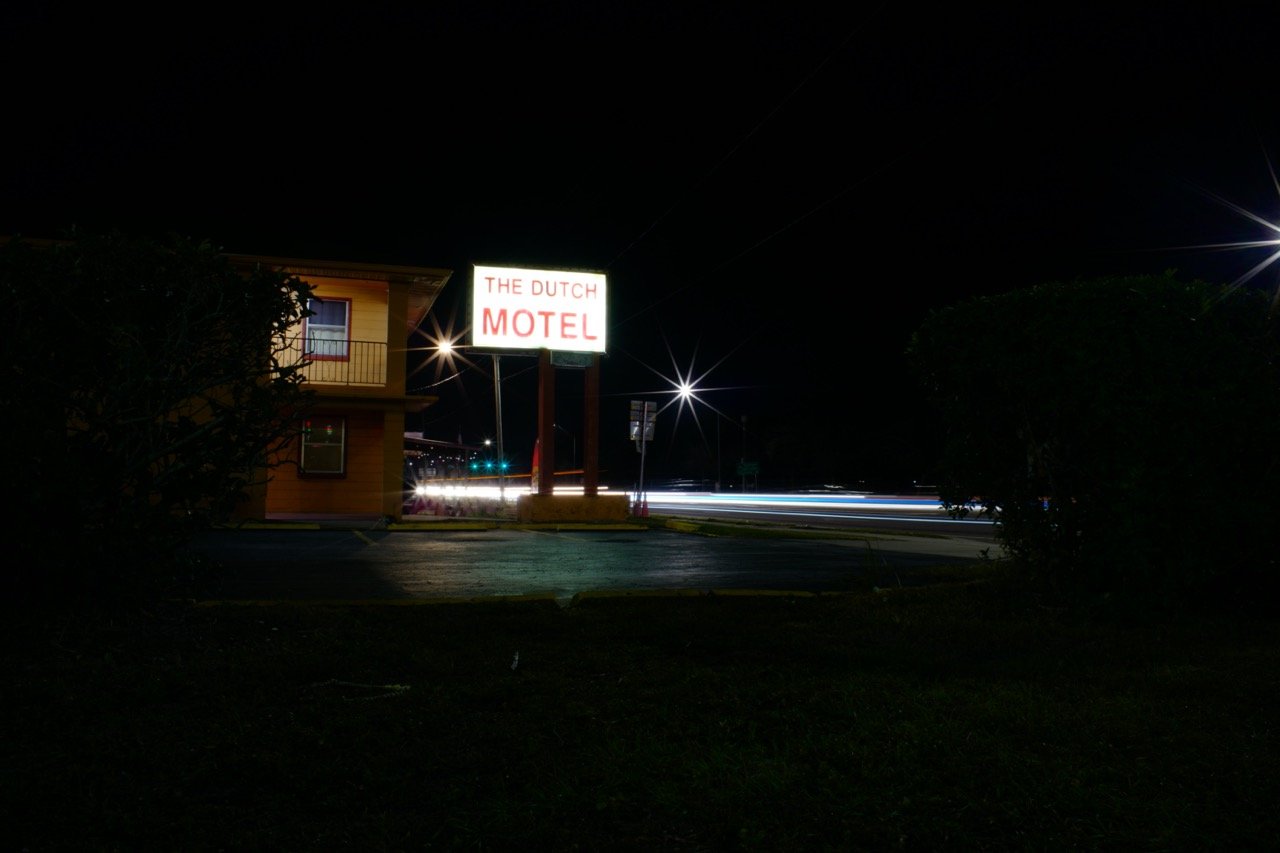
Once nightfall comes and you slow down the shutter, the magic happens
10 seconds ISO 100 f8
This is just a couple of examples too, there are many others that I have noticed over the years. So if you want a certain feel from an image, the time of day absolutely matters. There are some things that a strobe just won’t overcome and the sun is one especially if you are shooting buildings and not portraits.
So if you want to learn more about low light photography, check out my youtube channel here. David Saylors Youtube Channel.
What does lens focal length do to me psychologically when shooting street photography?
Photography and the human mind…
I have found that when I put on a wide lens, I suddenly loose the fear of getting close to people for some reason. I am still guarded with people and don’t approach a lot of them, but I will still get closer. This is a real struggle for me and I find it even harder due to time constraints that I have to shoot street. I don’t normally get to go shoot street when the large crowds are out and about. I end up being in the areas when there is little to no activity. So for me to get a good candid street photo is pretty special. I don’t get dozens a week like some photogs I see, but maybe one a month…maybe.

17mm APS-C photo on the Leica CL
I find that I like to get two kinds of photos when I shoot wider than 35mm and a different kind of photo when I shoot 35mm or longer. I didn’t even realize it until the other day when I put the 17mm on my Leica CL (like a 28mm on full frame) The 28mm is also what happens to come on the Leica Q series cameras. This particular machine is quite costly and you can’t change the lens either. But for street photography , the 28mm is a great choice and lots of people LOVE the Leica Q2 and Q2 Monochrome just for this reason!
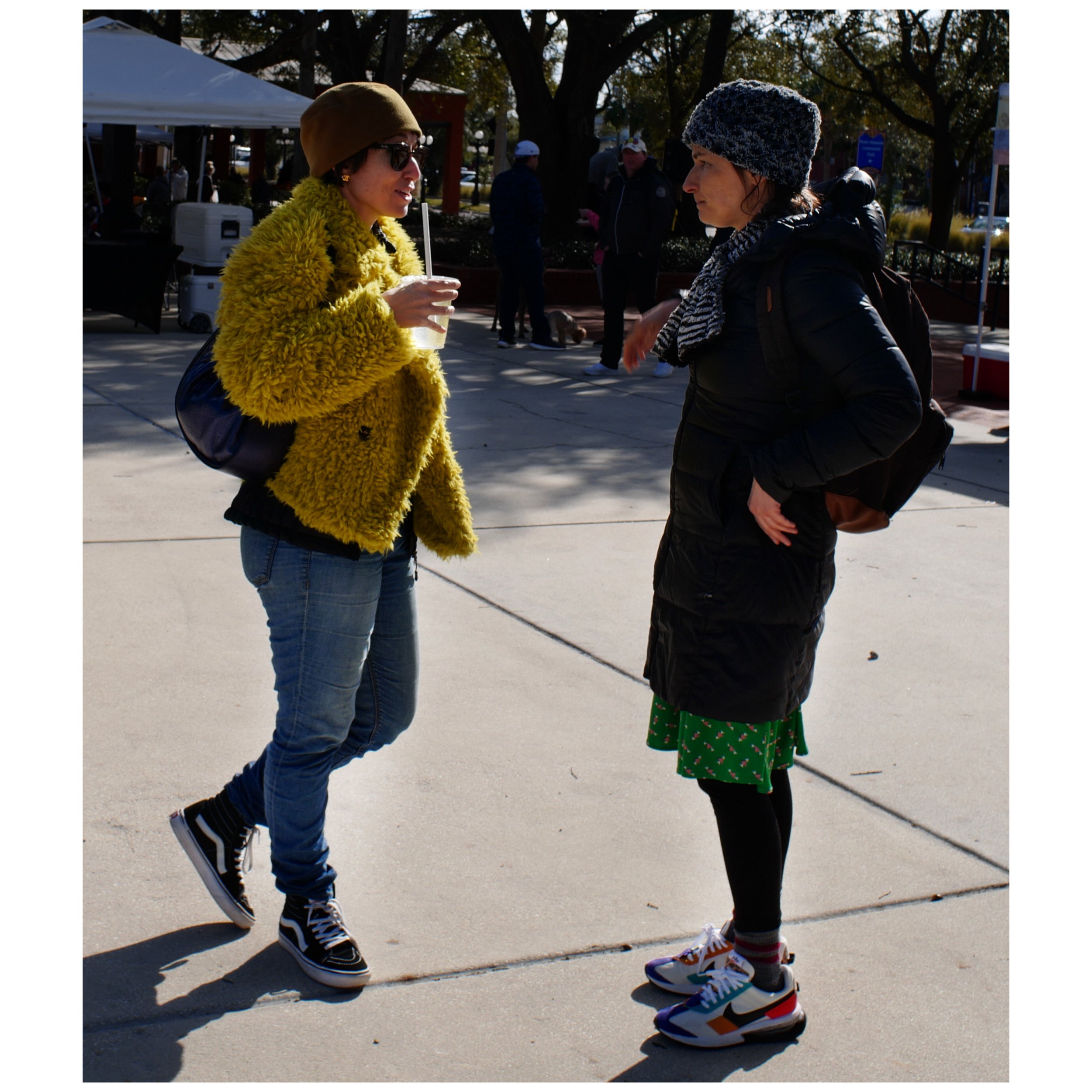
17mm APS-C photo on the Leica CL
When I put the 17mm TTArtisan APS-C lens on the camera I consciously know that the lens is very wide and that I am going to have to get close if I want to fill the frame. Then I fill the frame with images that make me happy for some reason. It is really strange that if you want better photos, sometimes you just have to get closer… Photography is strange, people have all sorts of different ideas about what it is. You know what? They are all correct. Every single one of them. What is that all about? LOL

35mm APS-C photo on the Leica CL
When I put on the 35mm (50mm equivalent) The mindset shifts to scenes with people in them or portraits on the street when I use longer lenses for some reason. It just happens too, I don’t even think about it, I just do it. I start looking for interesting things across the street when running the 35mm or longer lens. I also noticed that I like to compose from different view points too. I will end up shooting from a lower angle with the wide lens and from my eye level with the longer lenses. I think this is because of the viewing angle when I look at the photos in post, but it is a very strong phenomenon.

The Leica CL has become my de-facto street camera with either the 35mm or the 17mm as of late. I really like the form factor of the Leica CL and I also use a grip frame on it. This grip frame is made by LIMS that is currently out of production from everything I have seen. This grip frame is awesome because it has a ARCA SWISS tripod adapter on it and there is an opening for the battery door in the bottom plus it has the grip extension on the right side that makes this basically the perfect street camera for me. I like the form factor of this machine the most, it being very unassuming yet has exceptional image quality, makes this a wonderful little street camera. My only thing I would like better would be to have the Leica Q2 Monochrome as I love monochrome AND the low light power of that camera is phenomenal! But for now, I really want to use the CL all the time.
I say that with a bit of sarcasm, you see as as of late I have really started to embrace color photography more and more and have not shot in monochrome on my digital machines in ages. So the monochrome might not be the best solution for me, but I really like the idea of the low light powerhouse that it is. That is the real appeal for me to be honest about it.

The Leica CL adorned with the TTArtisan 17mm f1.4 APS-C manual lens.
So there you have it, a small treatise on my thoughts about the focal length and what I instinctively shoot with each one. I am odd and I know it, so this is by no means a definitive explanation about anything, but rather just an observation into what I do when I use certain lenses and what kind of gear I tend to lean towards when I go shoot.
Now get your camera out and go take a photo with it!
Preserving the Past Through Photography: Documenting Small Town Historic Buildings
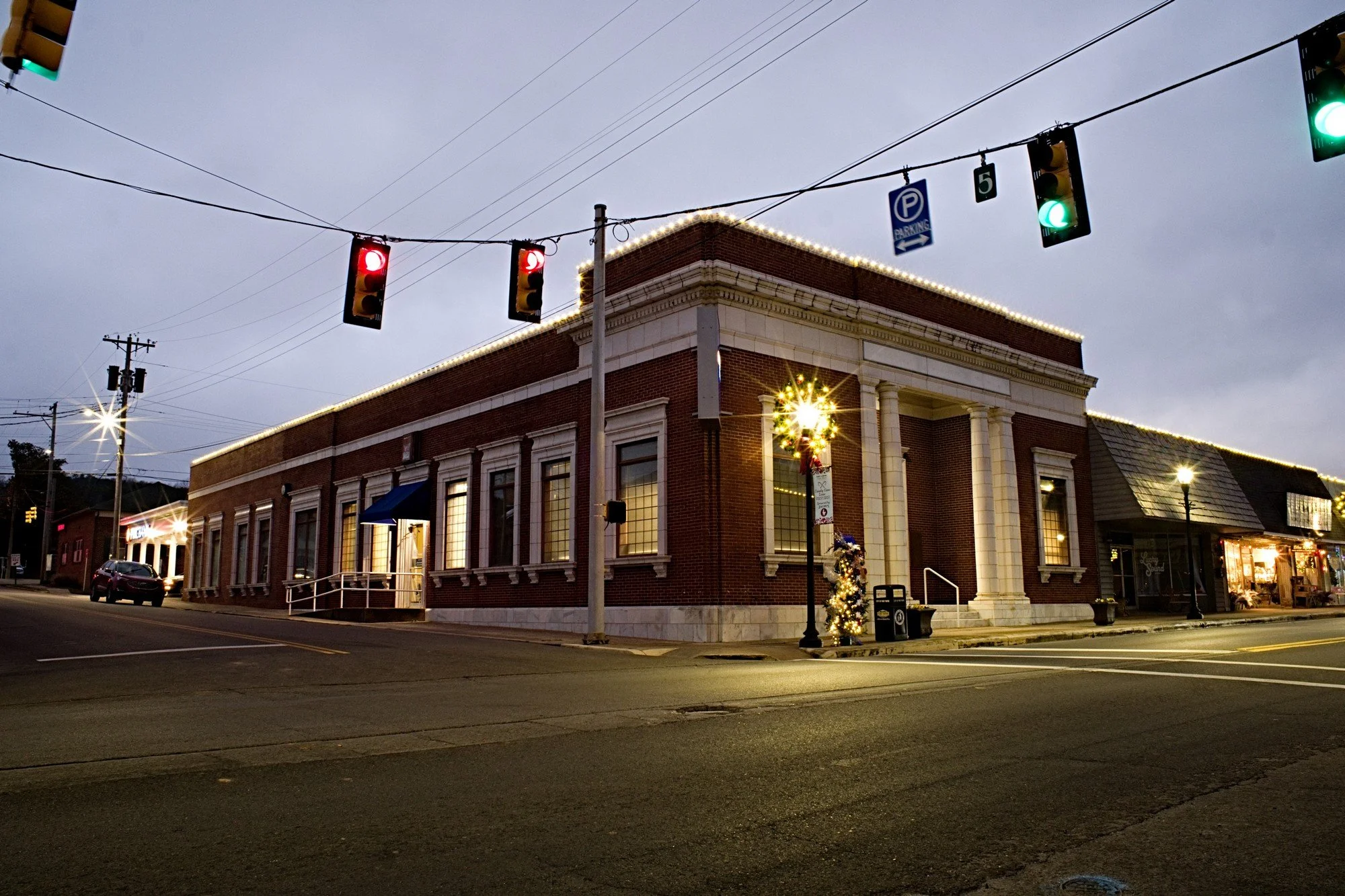
As a photographer, I am constantly on the lookout for new and interesting subjects to photograph. While I love the beauty and grandeur of natural landscapes and cityscapes, I also find a strange allure in the odd and often overlooked subjects that populate our world.
One subject that has particularly captured my attention in recent years is the cityscape of small towns. To some, these areas may seem uninteresting and even dull, but to me, they represent a unique and compelling source of inspiration.

There is something about the charm and character of these small towns that I find deeply appealing. The quaint and often crumbling buildings, the narrow streets and alleyways, the sense of history and community that surrounds them – all of these elements combine to create a visual feast that is unlike anything else.
But beyond the surface level aesthetic appeal, there is also a deeper meaning to be found in these spaces. They represent the resilience and determination of the people who live and work within them, the traditions and values that have sustained them through the years.

Photographing these small town cityscapes is not always easy, as they can often be difficult to access and require a more patient and thoughtful approach. But the challenges only serve to make the process all the more rewarding, as the resulting images capture a world that is often overlooked in the rush of modern life.
Whether it's the beauty of nostalgia or the timelessness of small town life, there is always something new and exciting to discover in these forgotten corners of the world. So if you're ever feeling stuck for inspiration, don't be afraid to venture into the world of the small and overlooked – you never know what you might find.

I have always been drawn to the beauty and mystery of old buildings. There is something about the character and history that these structures hold that captures my imagination and inspires me to create.
But there is a certain magic to be found in shooting these buildings at blue hour or at night. The soft, diffused light of the setting sun casts a warm glow on the architecture, highlighting the intricate details and textures of the building's façade. And when the sun has set and the night has fallen, the artificial lights that illuminate these structures take on a life of their own, creating a sense of atmosphere and drama that is hard to replicate in the daylight.

Shooting old buildings at blue hour or at night also adds an element of surprise and intrigue to the process. These structures are often still in use and powered up, and seeing them in this state – with their windows glowing and their machinery humming – adds a sense of vitality and energy to the image. It's a reminder that these buildings are not just static relics, but living, breathing entities that are integral to the communities they serve.
Whether it's the beauty of the blue hour light or the drama of the night, there is always something new and exciting to discover when shooting old buildings in these unconventional hours. So if you're ever feeling stuck for inspiration, don't be afraid to try something new and experiment with shooting at blue hour or at night – you might just be surprised at what you find.
TTArtisan 35mm f0.95 APSC Manual Lens Review
Ok, yall. This has been in the works for a few weeks now and I am finally ready to publish it.
The short answer… it is totally worth the money if you like manual glass.
The long answer… read on.
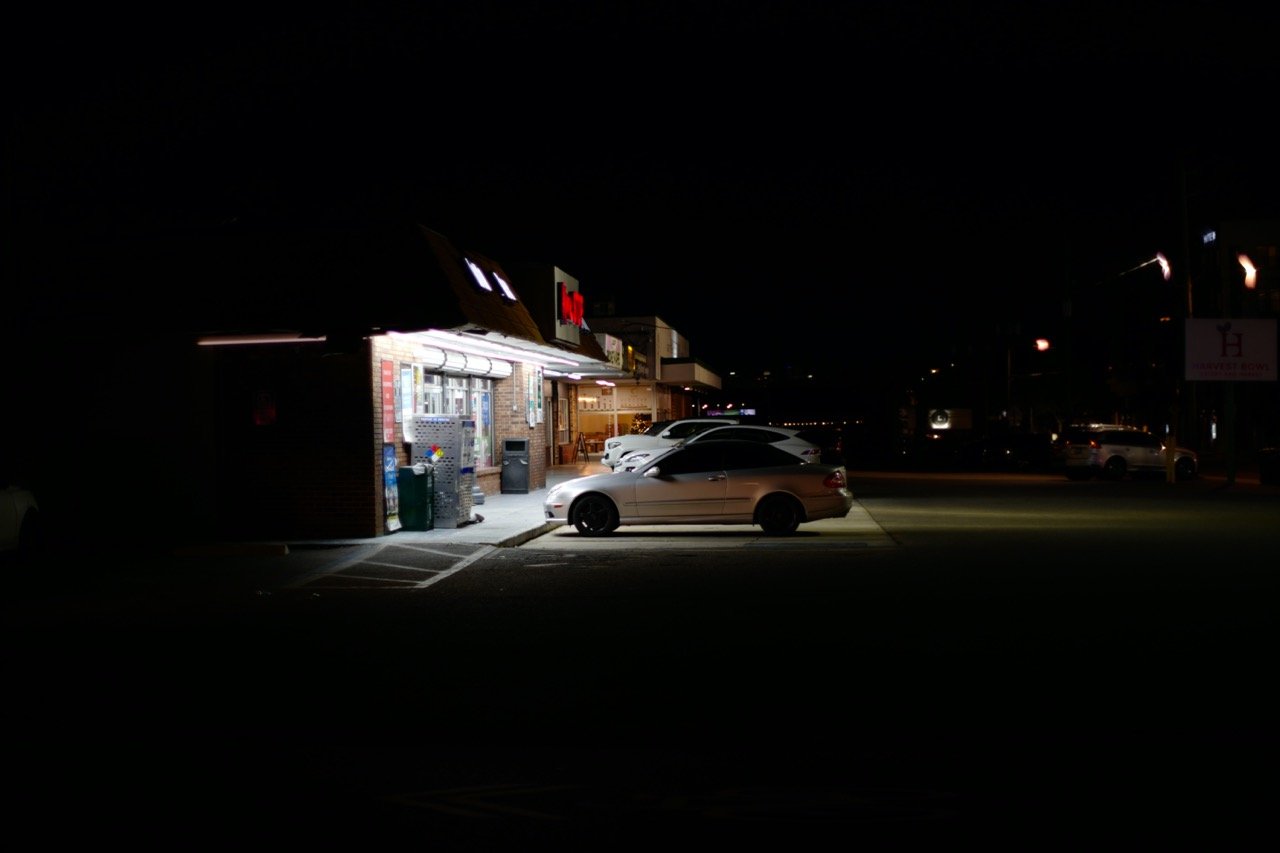
Handheld at f0.95 at night shutter speed is 1/80 second. The image is nice and sharp.

Shot at f8 with the focus trap method.
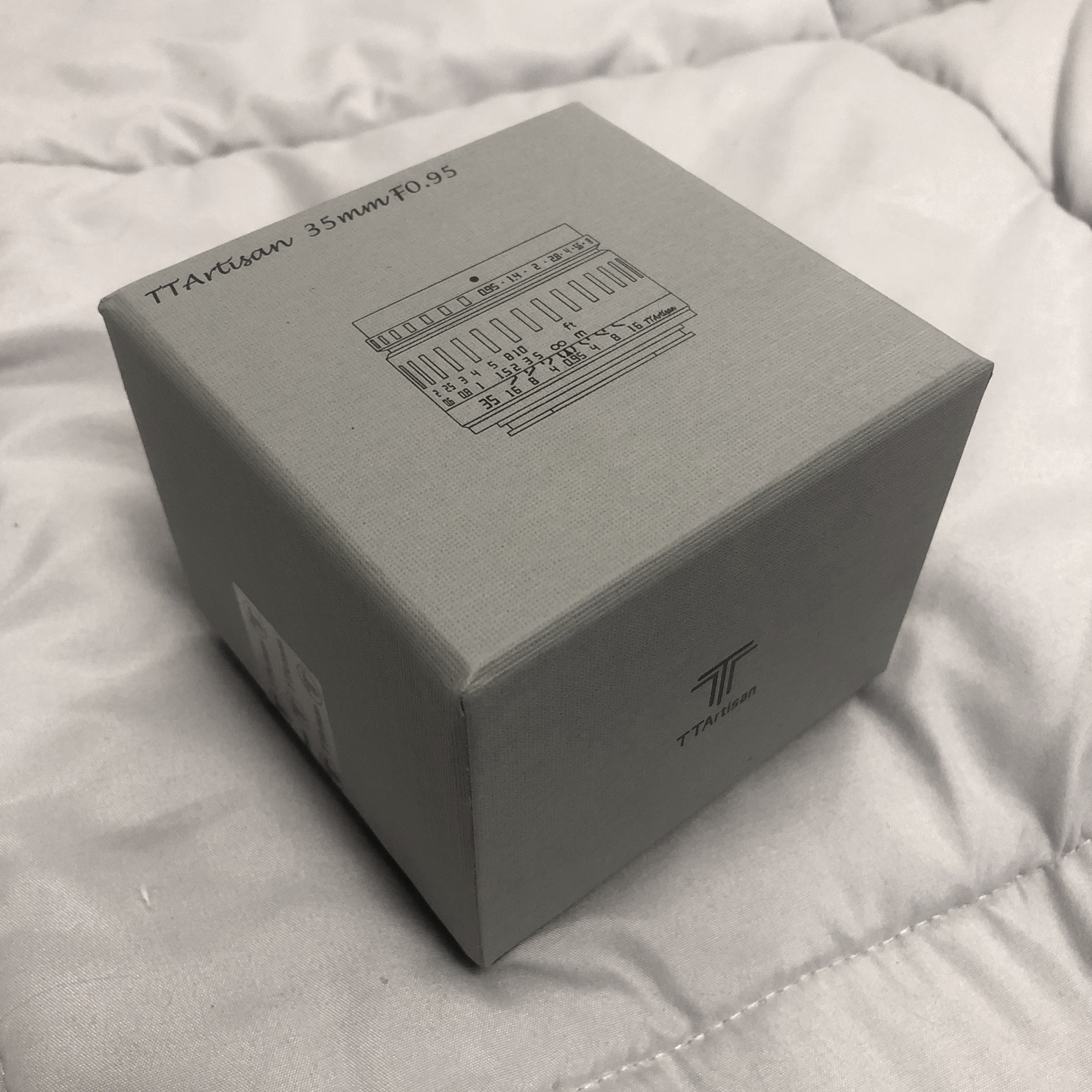
This little lens is a wonder of modern engineering with how they kept the size so small and also kept the optics so clear at the same time. I unboxed this lens and noticed immediately the packaging is top tier, reminiscent of the iPhone styling but in a nice grey/cloth texture for the cover with the lens nomenclature clearly on the top of the box. If the box is a clue to the lens quality then this is going to be a real winner! (Spoiler: It is)
It is no secret that I like to shoot 50mm on my full frame cameras like my Leica SL2 and the 35mm is about as close as it gets on APSC, so I shoot a lot with 35mm on my Leica CL when I am out just shooting street for me. So when TTArtisan reached out to me and asked if I would like to take a look at this beast, I quickly agreed and they sent me a lens.
Now for the whole disclosure part: They(TTArtisan) did give me the lens for free. They also told me that they had no “rules” they wanted me to follow or anything at all to be honest. They just said that if they liked my review that they would like to have permission to share it on their social media. Which I also though was a great idea. So I am free to say what ever I want as I come to this review. With all that said, let’s get started.
I deliberately wanted to shoot with it for a few weeks before rendering judgement as this will allow the “honeymoon” phase of getting something new to wear off a little and I can be more objective in the review for you guys. I have shot a variety of subject matter with it and have come away loving this lens immensely. It only has a couple of things that I dont like all that much and they really are not deal breakers.

Shot at f0.95 in the dark… hand held and manually focused on the bottles.
What do I like about this lens?
Well for starters… THE APERTURE GOES TO f0.95!!! You just have to love some fast glass and this little guy has it, and then some! At one point I stopped down to f4 for a photo that needed some depth of field and realized I had stopped down 4 1/3 stops to do this! That is lunacy! I am just blown away that they can pack that much aperture into such a small package. Speaking of aperture, the aperture blades are nice and round but when stopped down it still produces some glorious sun stars!

The light stars are pretty epic in my book. (I love light stars though)
Stopped down to f16 & 12 second exposure, for this extreme example.
The double bladed one on the left is because there are two bulbs in the street light.

The physical appearance of the lens is really nice. It has a 52mm filter thread. The text is Leica styled with deep, clean engraved characters throughout (yes, the text, all of it, is engraved into the lens pretty deep, it will not wear off…ever) and painted really well for ease of reading. The external controls are easy to find and use. The focus throw is just right, there is a good amount of dampening in the focus barrel and it is smooth. The aperture detents are not like the other two lenses I have from them. My other two lenses are smaller than this one (the 35mm f1.4 and the 17mm f1.4) so there might not be room for a very strong aperture detent system in them, but on this little guy, the detents are perfect. They even have a nice little click as they slip from one detent to the next. I was so happy to see this issue I have with the other lenses, to be resolved in the new lens. This lens contains zero electronics of any kind so the semi-conductor shortage shouldn’t affect your ability to get your hands on one of these little guys. This is also part of the reason it is so small, there isn’t need to make room for a focus motor or any other electronics.
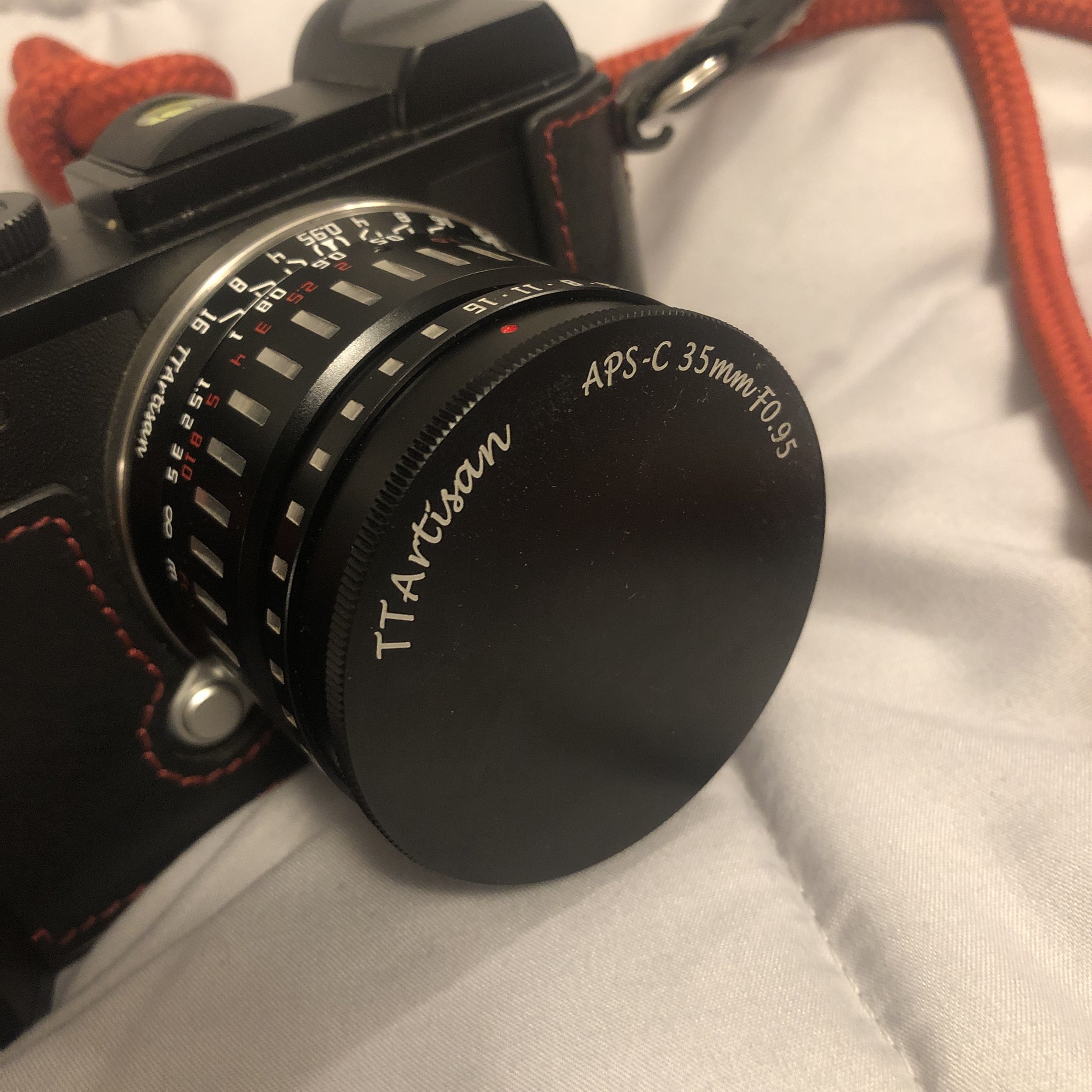
The lens cap is one of their signature solid metal threaded lens cap that screws on to the filter threads, this is good as it protects the lens glass AND the filter threads at the same time. Even so, I do not prefer them and the only real reason is the time to deploy the camera is much longer as it takes some time to remove the lens cap. On top of that, I can never seem to get them to go back on easily, it takes me a couple of tries every time to get the cap back on. Is there a trick to this I am not aware of? Leave me a comment if you have a trick on the lens cap, I need it!
Now, if I was worth two pennies, I would just remove the lens cap before I start shooting and then reinstall it when done…and this is exactly what I do most of the time. We have gotten spoiled to the quick deploy “pinch” style caps, so can I really call this a detractor? The level of protection these caps brings is unmatched by anything made of plastic so there is that to consider…

Shot at f0.95 in the daytime. This car was moving… Shutter speed is 1/400 sec.
The next thing that I noticed is how nice the images are coming out of this lens. The guys over at TTArtisan have really done their homework here as most super fast glass is in one of two categories…crazy expensive or not great image quality wide open. These guys seem to have broken through that glass ceiling (see what I did there? LOL) and have brought us a super fast lens, with really nice image quality, for really, really reasonable money. I dare say that these little lenses they sell are under priced and once they figure it out, the price will go up, so you better get your copy now.

So is there anything I DONT like about this lens?
The grip area on the aperture ring and the focus ring are not knurled (which is what I would have preferred) but instead is a mill cut series of notches. Now, I come from a machine shop background and understand the reasoning for this past the aesthetic look of the lens. These are easier to make, faster to make, more consistent when run at speed, and are less abusive on the machine to make as well. Knurling is one of the highest strain operations on an engine lathe/turning center and if not flooded with copious amounts of coolant or oil, the little tools that make the diamonds will clog up and destroy the part quite easily. By milling the shallow notches it was a simple mill op repeated a number of times, as the part is indexed a few degrees between cuts. This makes manufacturing VERY fast and produces beautiful results…that just don’t feel as good to me. Because I am accustomed to the rough texture of the knurled rings and these are not like that. That is not to say that they don’t work, quite the opposite, they work really well actually, but may post a problem with gloves into the winter. But now I am splitting hairs, so let’s look at some photos!

f0.95 basically in the dark with the shutter speed at 1/400sec.
Some notes about shooting with this lens. It is easy to use for street photos and the such when stopped down. It is not as easy when wide open… The reason is because all large aperture lenses have super shallow depth of field when shot wide open, well f0.95 is so wide open that you have to take a few shots as the subject will move in and out of focus pretty easily. Don’t just shoot one and call it done, it is probably out of focus… lol. I laughed here, but it probably is out of focus… It is the nature of fast glass with manual focus. I am not bothered by this, but some people are, so if you need tack sharp on the first try, then maybe you should buy the native autofocus glass for your brand of camera.

With the previous said, it seems that the more you practice doing it, the easier it gets to get sharp photos. I guess practice does matter… lol. Another thing to remember is that since the lens has no electronics, there is no meta data nor is there anything to help meter, other than the newer mirrorless machines can meter off the sensor, and the only mode of operation on the camera is manual mode. I can get away with automatic ISO as the camera meters off of the sensor in my Leica CL so it doesn’t need the lens to know the metering, but you might need to keep this in mind on your camera. The lens also comes in a plethora of mounting solutions so it should be able to be installed on pretty much any APSC camera out there, just check their website HERE for more info about it.
So there you have it, another wonderful little lens from the fine folks over at TTArtisan and I am not surprised to be honest, they have come on the scene and are taking over the 3rd party lens market by storm. Hope you have a wonderful day and get your camera out and go take some photos with it!
Tips for Low Light Street Photography in Chattanooga TN
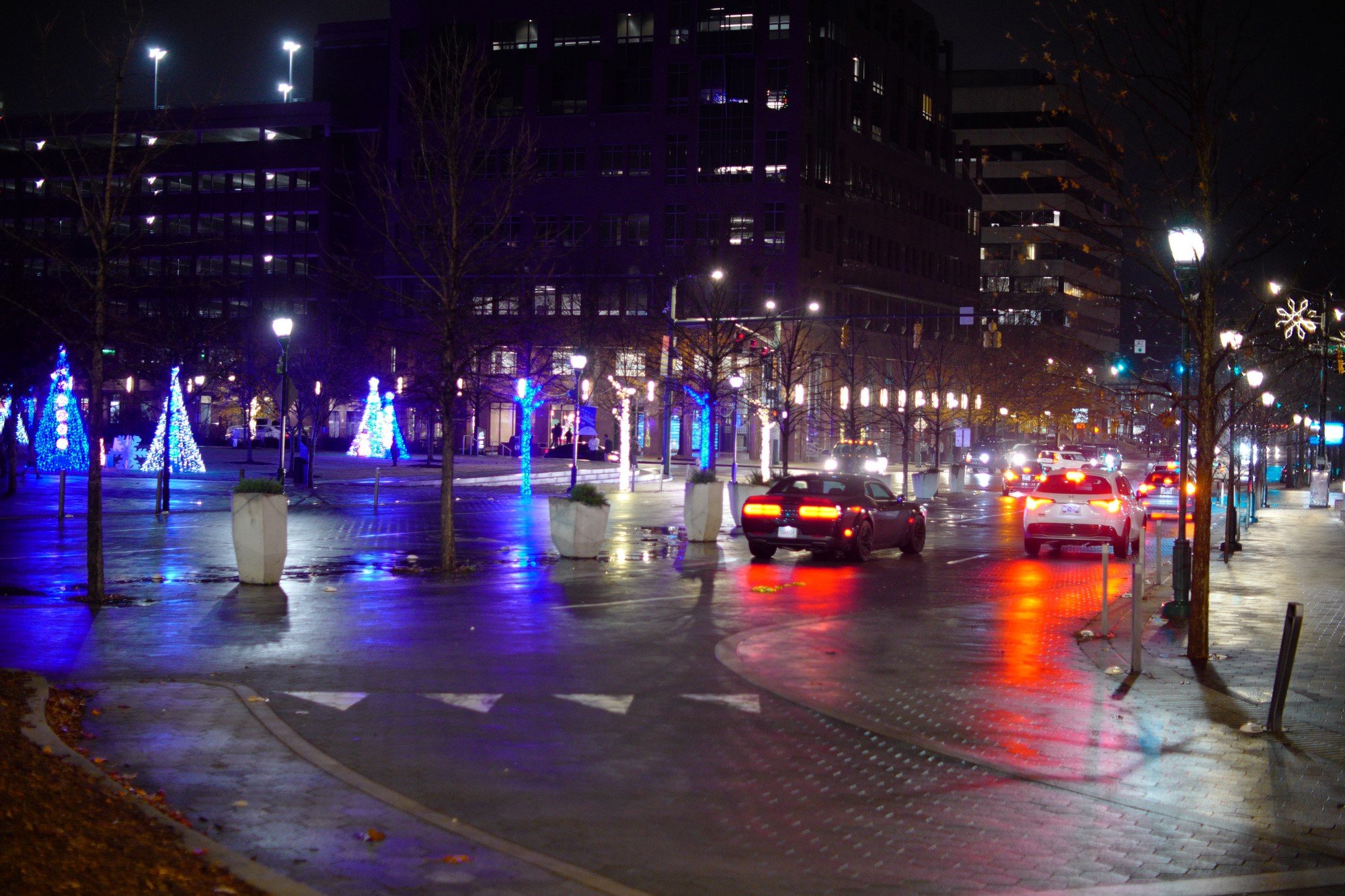
I love low light street photography in Chattanooga, TN because it allows me to capture the city's vibrant and diverse culture in a unique and exciting way. With its diverse architecture, colorful murals, and bustling nightlife, Chattanooga offers endless opportunities for me to experiment with different techniques and styles. In this blog post, I want to share some tips and techniques that I've found helpful for capturing stunning low light street photography in Chattanooga.
First and foremost, it's important to have the right equipment for the job. I always make sure to have a camera with a fast lens and good low light performance. I look for a lens with a wide aperture, ideally f/2.8 or lower, which allows more light to enter the camera and helps me capture sharp, detailed images even in low light conditions. I also prefer to use a full frame camera because it has a larger image sensor, which performs better in low light compared to a crop sensor camera.
In addition to a fast lens and a full frame camera, I find it helpful to invest in a tripod to steady my shots and prevent camera shake. A tripod also allows me to use longer exposures, which can be useful for capturing light trails or blurring movement. If I don't have a tripod with me, I try leaning against a wall or using a lamppost or other stable object to support my camera.

One of the most interesting areas for low light street photography in Chattanooga is the city's historic downtown district. I love exploring this area because it's a mix of Victorian-era mansions, Art Deco buildings, and modern skyscrapers, all lit up at night and surrounded by a lively atmosphere. I always try to find interesting angles and perspectives that highlight the city's unique architecture and history.
Another area I enjoy photographing is the city's growing arts and entertainment scene. From live music venues and breweries to art galleries and theaters, there's always something happening in Chattanooga's nightlife. I love to capture candid moments that showcase the energy and vibrancy of the city's entertainment scene.

In addition to the city's landmarks and nightlife, I always make sure to capture the people of Chattanooga in my low light street photography. I look for interesting characters and personalities, whether they're tourists, locals, or street performers. I use the available light to create mood and atmosphere, whether it's a neon sign or a street lamp. I find that photographing people in these settings adds a layer of depth and humanity to my images, and it helps to tell a story about the city and its inhabitants.

Finally, don't be afraid to experiment and play around with different settings and techniques. Low light street photography can be a creative and rewarding form of photography, and there is no one "right" way to do it. So go out there, get creative, and see what you can capture in the dimly lit streets of Chattanooga or where ever you live.
Until next time, get your camera out and go take a picture with it!
Industrial Landscape Photography in Jasper TN
The other day while on a business call, I had to travel through an industrial area and my eye just started picking up these images. Now I cant get them out of my head till I go shoot them.

This is the life of a photographer… once you get a composition in your head, you cant let it go till you shoot it.
It is interesting to me that I work like that. I will get fixated on a photo I want and nothing else will make me happy till I get it.
I am pretty sure that I am not alone on this either. I think it is part of the creative mindset. The photos I have in mind are of the industrial landscape that are local to my area. I saw the area in the morning light and it had this ethereal or maybe apocalyptic vibe. Like it was abandoned but was still intact and could be turned on at any moment. This is because I like those kinds of movies too, I guess.
So here is the plan, get back over there with a camera in the early morning light and shoot a bunch of stuff and then see what I got.
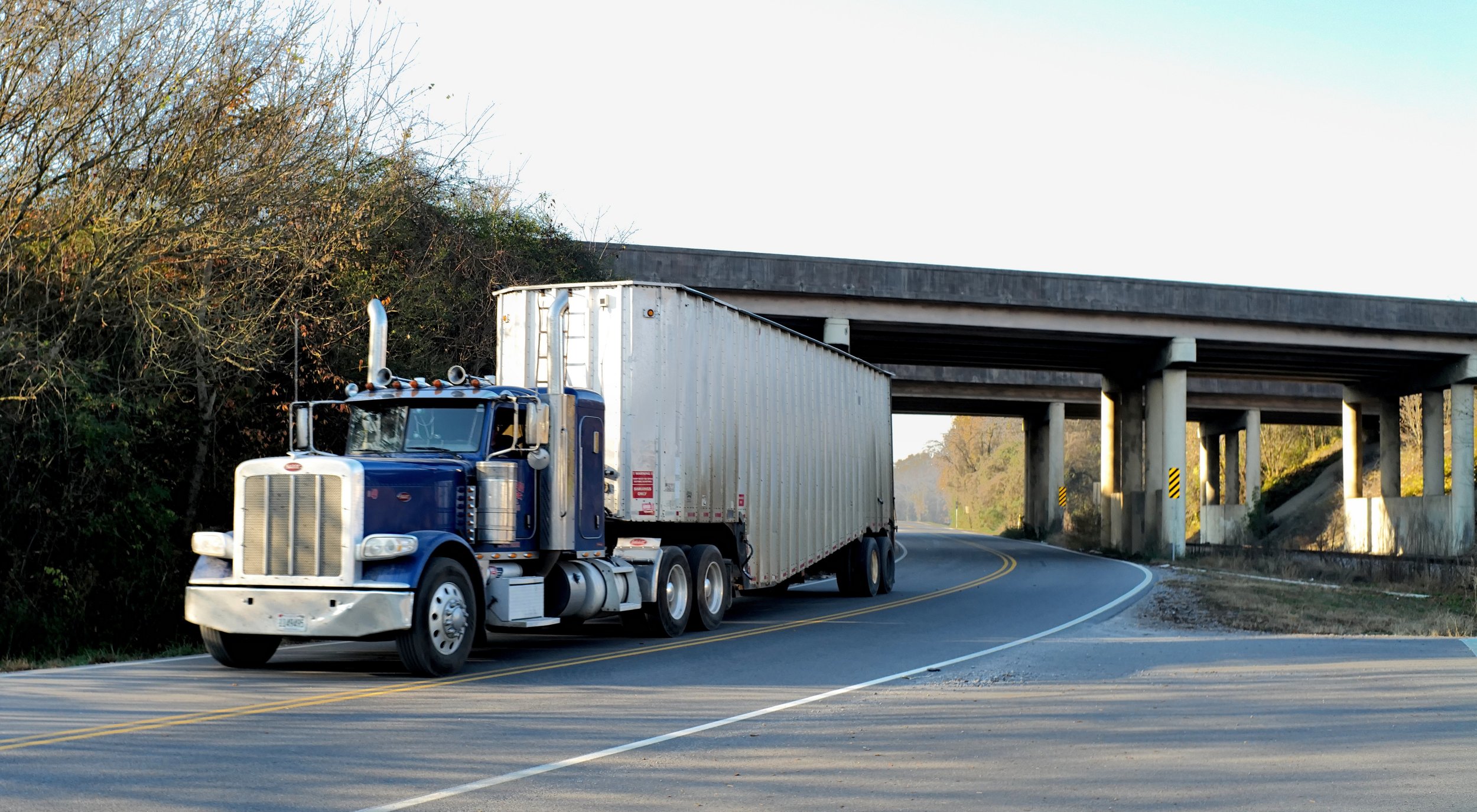


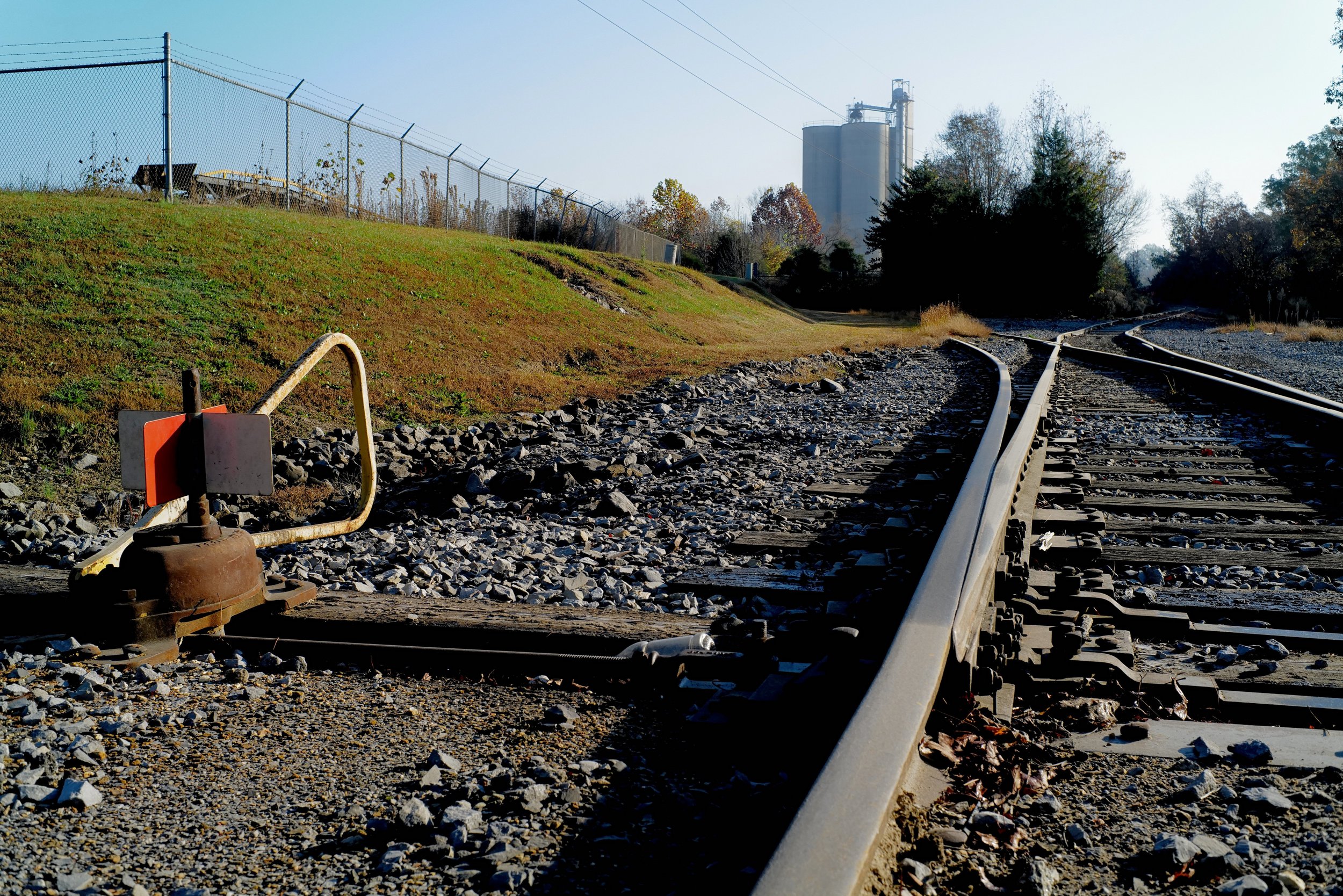
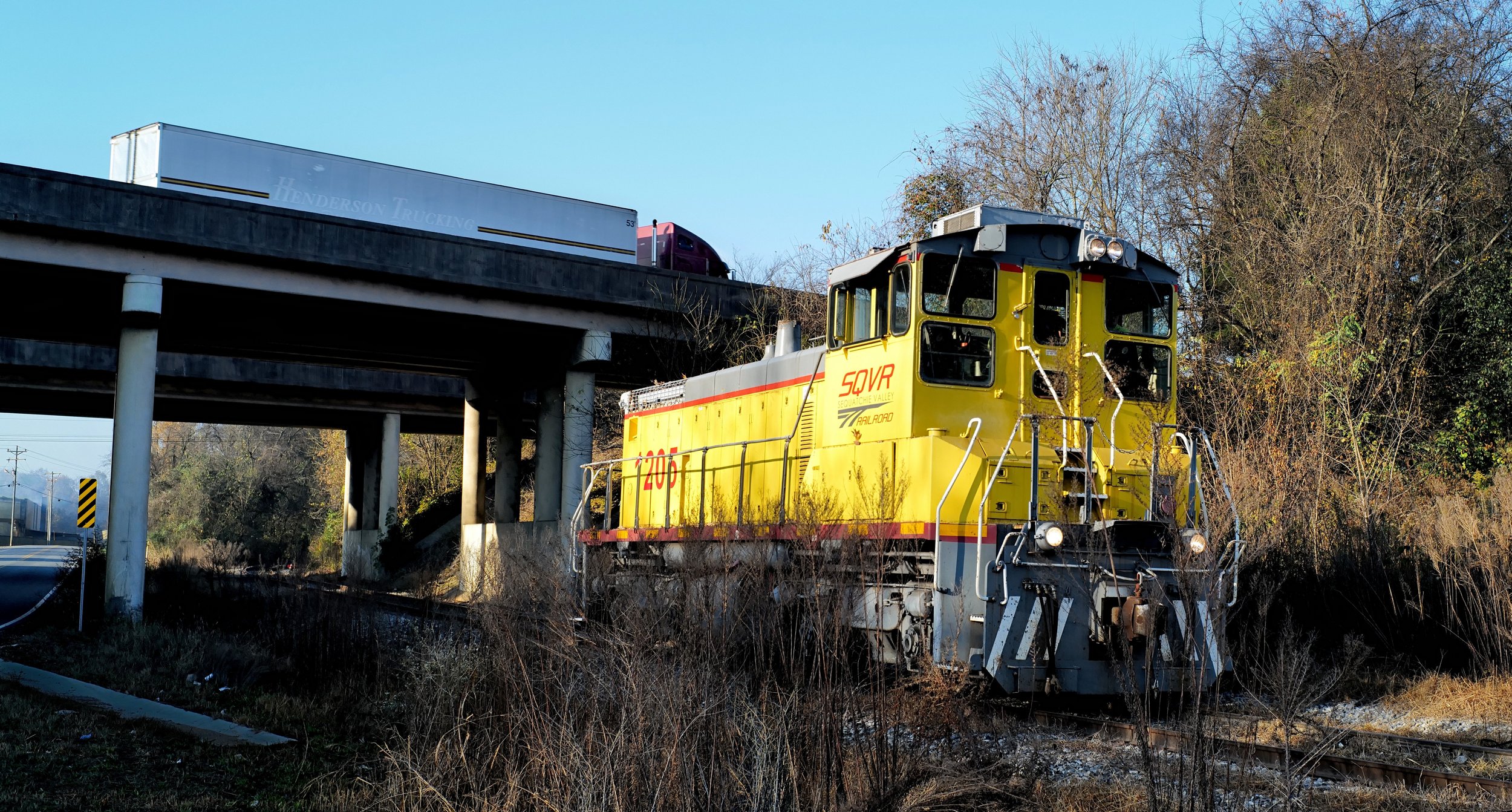
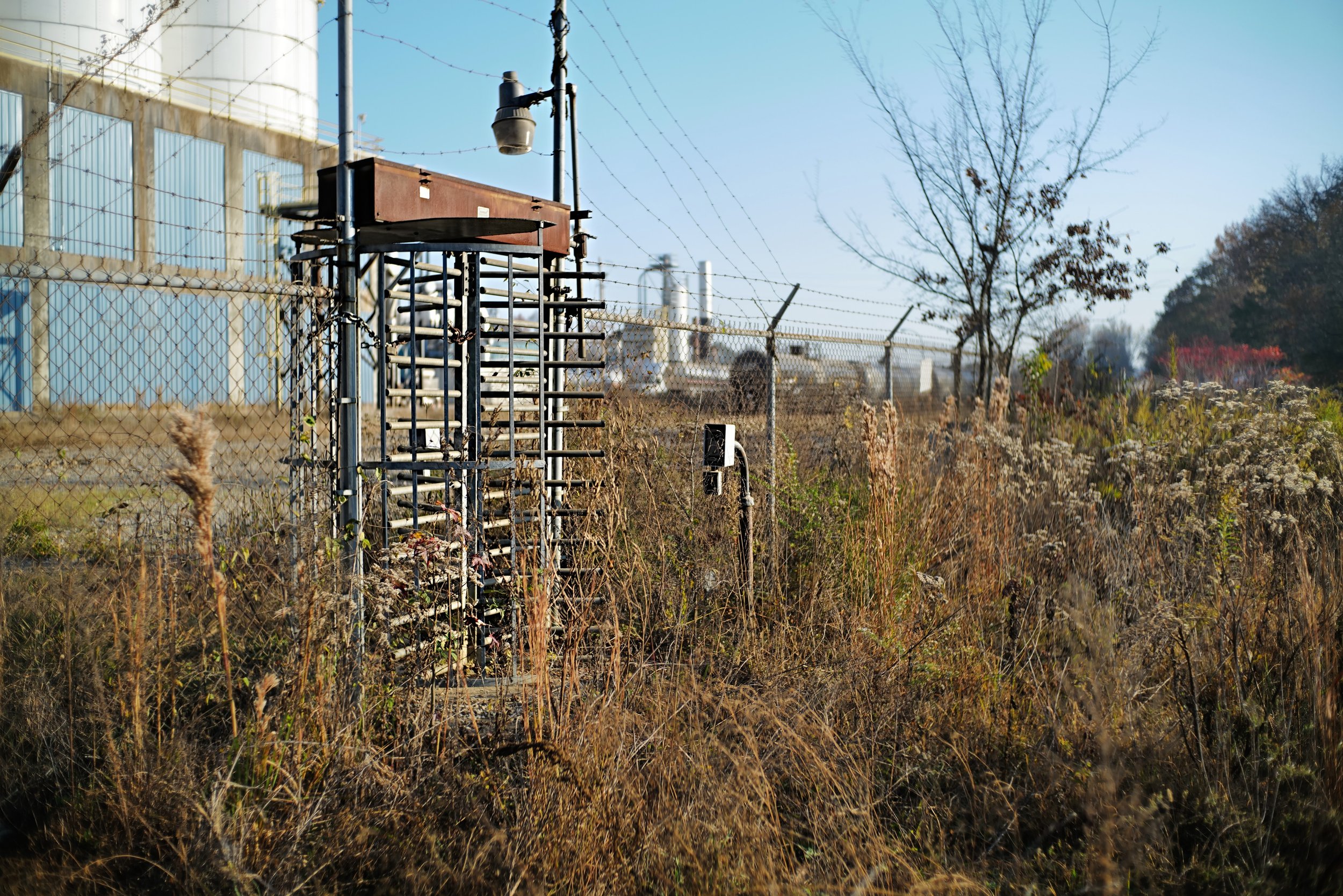
I found the air a little less foggy upon my return, but the morning light made it look good nonetheless so I got out and started getting images. The first stop was a plating factory that was in full operation and had a bunch of steam coming out of the factory. I had to shoot over a 6’ tall fence to get my image. It took several tries to get the one I wanted, but I finally got it.
Then I moved to work compositions around the railroad and associated infrastructure. The balance of the images are centered around this concept. I even hit pay dirt when a local switch engine showed up to move some tanker cars around!
My favorite image though has to be the image of the abandoned cattle gate. This is urban decay at its finest and I love this sort of thing for some reason. I hope this post and images inspires you to go back to something that caught your eye and get a photograph or two of it.
Until next time, get your camera out and go take a picture with it.
David - The Georgia Photographer
I like fiddling with my camera, do you?

My current street and general photo setup.
Well, there, I said it. I like to fiddle with my camera. Sure, I miss some photos because I am playing with the camera, but to me, that is part of the experience! Getting the photo is a result, but to me the time spent with the camera is as important as the final image.
You see, I am what is referred to as kinesthetic. This means I enjoy engaging with the gear as much as getting the photo, getting to interact with the camera on a deeper level brings me a form of satisfaction and joy that is hard to explain.
I know this goes against the convention of the camera “should disappear” or be so intuitive that you no longer know it is there. This is a bunch of hogwash in my mind. I spent a lot of money on my camera and by golly I want to get my money’s worth out of it!!!

This is my “discrete” film camera! LOL
I have read several of the books on the technical aspect of photography and they all keep saying to get the camera to where it runs almost in automatic so you can “get it out of the way” and focus on getting the shot instead. This is not what brings me joy in photography for some reason. I am just not wired that way. I like to play with the machine and then command it to produce what I ask of it and have it comply. That is a oversimplification, but the point is that I want to have the interaction with the camera as much as getting the photo. I figure it like this too, you get the shot, great, you do your edits say this takes another hour, maybe two if you really want to dial it in. (most people spend way less time than this on the editing process) and then you export it and share it on some website somewhere and wait for the little number to appear by the heart symbol. Then it is basically forgotten and the hunt is on for the next image. I like to get the image I had in my mind, but I ALSO like the interaction with the camera too, it is just fun to mess with it.
I mean, c’mon! Look at my “street photography” rig for crying out loud! All I hear is get a small, unassuming camera like a X100V or a Leica Q2 or some such, and here I was with a Nikon D810 with battery grip and 50mm f1.4 lens or my current rig…the Leica SL2 with 50mm Summicron L…even my film rig is larger than life!!!. HaHa

Back years ago, this was my main goto rig, Nikon D810 with a 50mm f1.4 Nikkor lens.
I do have a smaller camera that I like to use as well, but it is not to “get the camera out of the way” but rather to have a simple camera to grab and have as a backup to my SL2 rig. I have even kitted it out with a focal length lens to simulate the same field of view as my SL2/50mm rig. I do this so the experience using them is similar and I also know pretty much what I am going to be getting when I use them and that they will produce very similar results. It doesn’t allays work out that way, but that is the intention…lol.

This little Leica CL with the 35mm f1.4 M mount lens from Voigtlander makes a great “grab n go” rig.
Something else I have learned is that I like manual mode the best. I once was an aperture priority kind of guy, but I have evolved into a full blown manual shooter now. I just like the fact that the EVF in my camera will show me what the image will be ahead of pressing the shutter and I am able to just dial in the sky till it is blue or up the shadows till I am happy with them. The light meter in the display gives me a point of reference as to how much over or under exposed the image is and I will know then if the highlights are gone or the shadows will be recoverable. most of the time though, I don’t care about either.

My Leica SL2 top display.
As you will notice in this photo, I have set the camera as follows: Manual mode, there is some negative exposure compensation, f8, 1/125 sec shutter, auto ISO at the time (this varies from manual in a static scenario to auto if the light is going to change around constantly), and the rest is “state of the camera” info like both cards are present and set to overflow, there is room for 1937 frames left on the first card, the blue tooth is on so I can connect my phone to the camera, and the battery meter. This is how I run my camera most of the time when I am shooting street photos. Point is, don’t follow conventional wisdom if it doesn’t suit your ideology or normal operational parameters, simplified…you do you. Stop letting other people tell you how to engage in your own hobby. Be like William Eggleston and go against the grain. You are in charge of your life, live it on your terms.
Now, get your camera out and go play with it…I know, I know, I just broke my own advice by telling you what to do, but maybe some of you need a nudge…lol.
What to do with all these pictures I have taken and don't ever look at?

As I was sitting here listening to my ham radio and looking for POTA contacts on 20 meters, I took a look over at my camera gear on the other side of the room and got to thinking about all the photos I had taken with those cameras and how I am sitting on literally several terabytes of photos and video from the last several years of making YouTube videos, shooting street photography, landscape photography, motion blur photography, vacations, wildlife and all sorts of other things…
I have saved all these photos over the years and for no real reason other than you are supposed to keep them… but why? I never look at them, shoot for that matter, I never plug in the hard drives that they are stored on. They are just stacked in a storage bin next to the computer. What is the point in doing that? I could delete all the YouTube channel crap that is stored on the hard drives and would immediately have many terabytes of hard drive space available again.
But…
I have this nagging desire to keep them, until the hard drive fails on it’s own accord and not from my own hand. For some reason we can accept that fate instead of the fate coming from our own hand for some reason. “Oh darn! My hard drive has failed…” is an acceptable fate, why? Because we are absolved of responsibility for the loss of this data? I don’t know, but I am in that group. I just find it really strange how we cope with different things that happen to and around us at times.
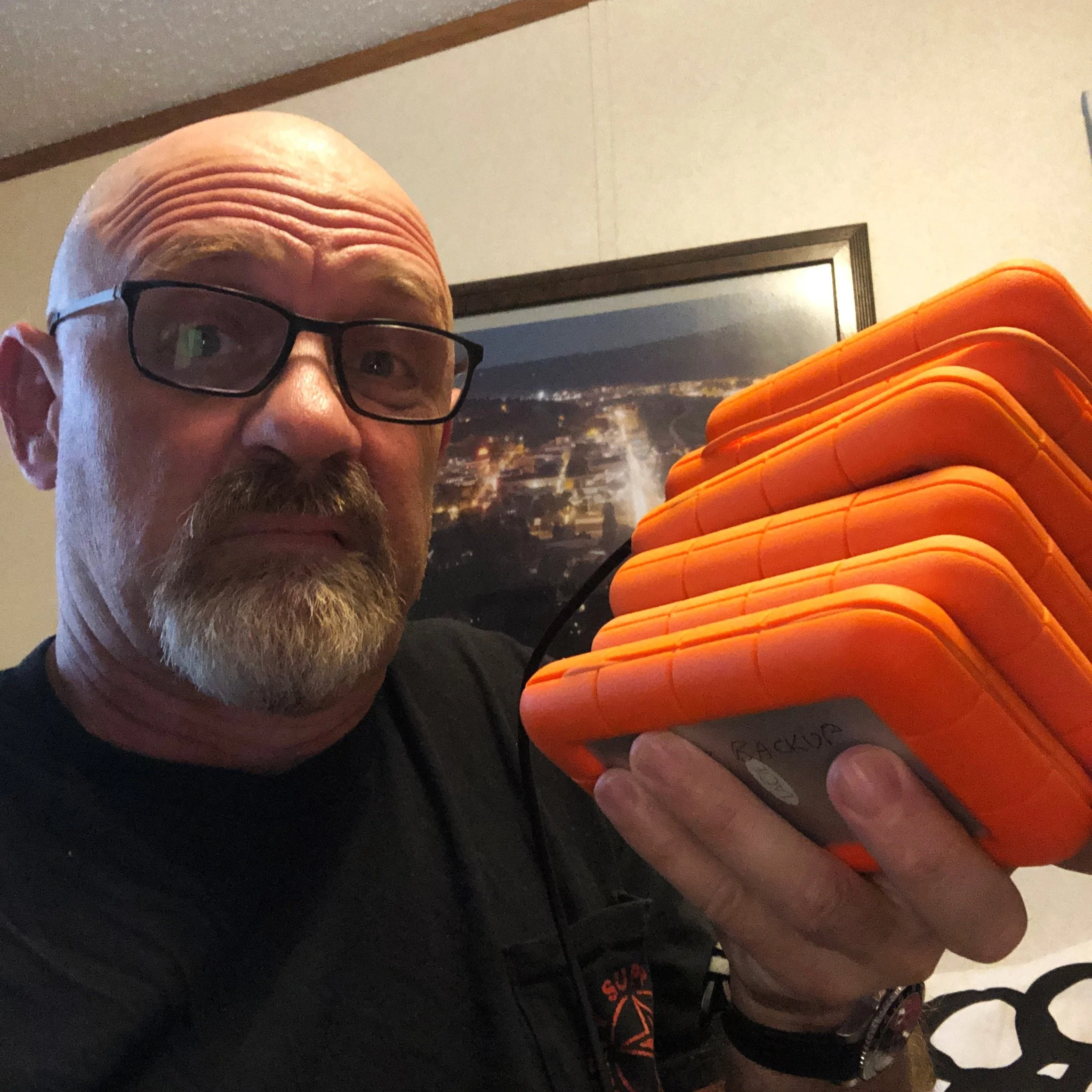
What are your thoughts on this? I have been pondering what I should do with all these hard drives I have and I cant decide if I should just take the oldest one and format it when I need another drive, or should I just save it? You see, I am super bad at cataloging my work and back then I was even worse, there is some hint as to what is in each folder, but it is still pretty cryptic. I collected these images over several years and to go through them now seems like an insurmountable mountain of stuff to sort through. To the point, I look at the hard drives and then let procrastination take over and forget about it till later.
Anyway, this is a nagging problem that gnaws at the back of my mind all the time. I just thought I would see what you guys thought about it and maybe get some sort of solution. As an aside, I have no other backup of these drives either, so if one went bad, it is just lost data. Thanks you following along today and like this blog post and if you want sign up for the RSS feed so you will get the next one too…at least that is how I think it works, to be honest I don’t have any idea how that works…
Chattanooga Street Photography #6

Well, it has been a while since I have done one of these and for a couple of reasons. I wont run down that rabbit hole right now as the subject is street photography.
Well, maybe a little peek into the rabbit hole is needed. I have been active in my street photography but with an emphasis on video content so the street photos for a long time were mediocre…at best. BUT NOW, video production is not my main priority anymore so the attention on my photos can come to the forefront.
With this also comes my styles and preferences as well and I think they show in the photos I have been capturing.

What I have learned is that I dont want photos of people just walking down the street anymore, I want them doing something more. Anything more than just walking is better than …just people walking down the street…

Well, it seems that getting those photos in Chattanooga, during the windows of time that I have, is pretty tough. This hasn’t stopped me from trying though…it has made the process take longer than I thought it would. I see all the “street” photos of people just walking across intersections and down streets, on side walks, crossing the street and so on.

At least this fellow is multi-tasking…and had no clue I was sitting 5 feet away…
I get it, this is all you have sometimes to get, but what story is it telling the viewer? Now, comes the controversial part, are you shooting for others to view your work or are you shooting photos for your own personal pleasure only? If you do both, you end up letting one or the other down. This is my observation at least, and I base my position simply on social media photo sharing sites. People like a certain photo and literally all the Instagram photogs start shooting those kinds of photos so they will get the engagement on their image as well. This is shooting for the viewer and not yourself. If you choose to shoot what you like, it may never get any traction on social media since it is not the current hotness that everyone seems to like. This is shooting for your self, I mean, if you shoot for yourself, do you even share your photos? If you do, why? You see, shooting for yourself is not to please others, so why share them at all? See my point? This is what Vivian Maier did and is a perfect example of shooting for your own pleasure, as far as I know, she never told anyone about her hobby and it wasn’t even uncovered until after her death and someone bought her photos at a yard sale.
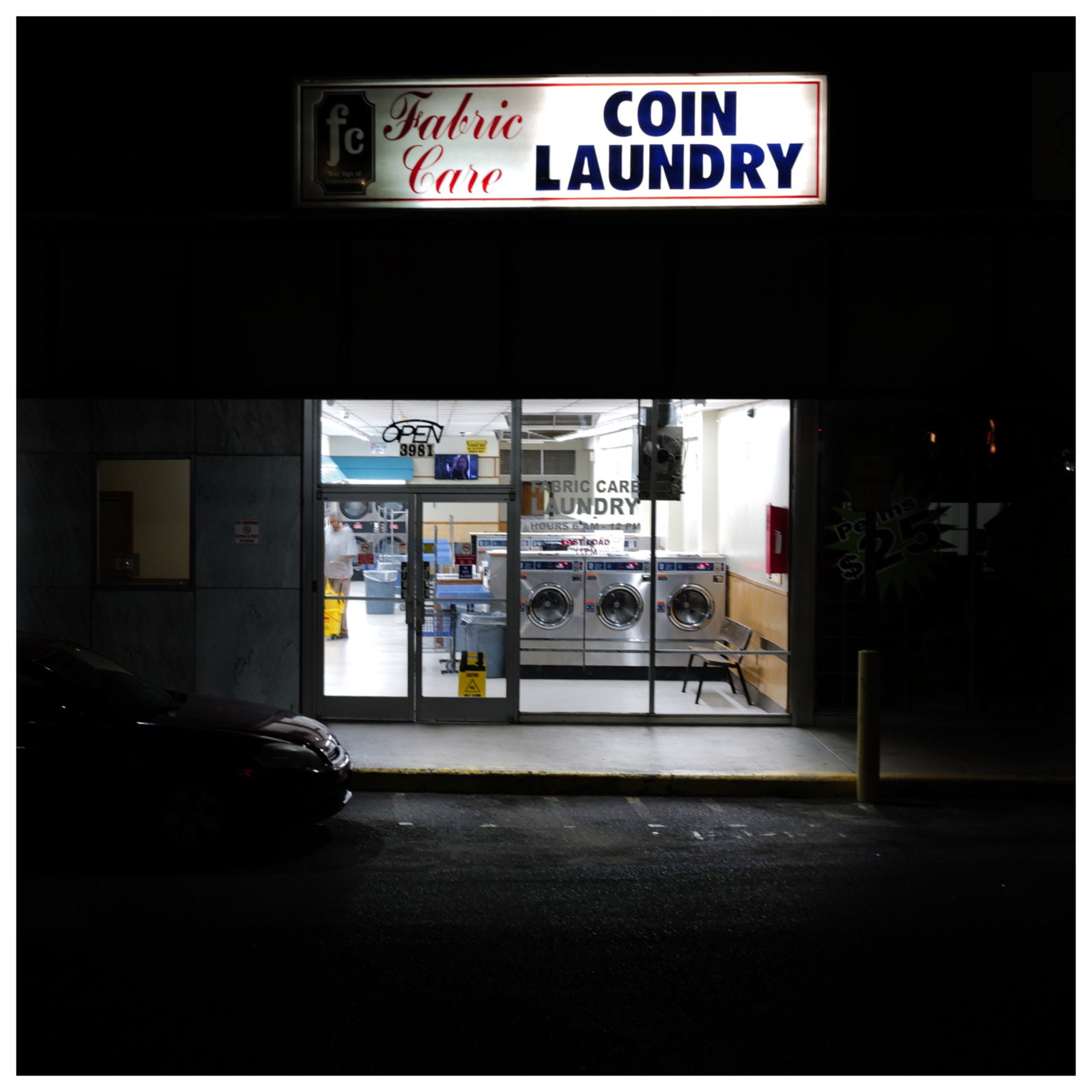
I have a sort of combination of both ideas in what I do. I will share some photos, usually not my personal best either, just something to let people know what I am doing more than anything, but most of my images are kept safe at home on my hard drive and are building into projects over time. I have been building up the courage to see if a gallery will want to host them at some point, but to be honest, this is currently a pipe dream in my eyes as most of my images are simply just snapshots and not gallery material.

Recently I have been looking for specific types of images. There are several types, but in these I am looking for things like large prime color photos (like the ice cream vendor above) , negative space images that drive the eye, some urban decay photos, and even some historical images as I have been shooting in the same area long enough to see buildings come and go and how they are used differently over time. It is interesting to see these changes to be honest about it. Like the building pictured below. I grabbed the first photo of it 5 years ago and even then it was basically the front 40 feet of the old building as the rear portion had already been demolished and removed. Last week they finished the job and now the building looks like the bottom photo…

Old hotel across from Choo Choo circa 2017

This is when I knew I had gotten something historical. They were not going to even attempt to save the building at this point.

This what it looks like as of 5 SEPT 2022… Gone…
I have been doing this as a hobby, as a form of therapy, and I just plain enjoy the interaction with the world around me. Because of these things, I have captured a place in time and saved it from fading into obscurity now. This brings a level of satisfaction that I can not describe. This is why I like finding things other than people walking down the street to photograph when I am out…
What is your favorite thing to photograph when you go out on a walk? Let me know in the comments! Also, like this post if you actually liked it, I am thinking this will help get the word out with google, but I am not sure about that…
Anyway, get your camera out and go take a picture with it.
Low light photos and photo projects with my Leica SL2

I have really become interested in photo projects and have been looking at how to share these projects properly. This is something I have been working on for several months and I have collected quite a few images at this point and am starting to think I have enough for either a showing at a gallery or a book… and that scares me a little.
You see, I am one of those people that takes the safe routes in life… Most people that know me will say I am adventurous but in reality, I will stick to what I know and normally will not venture into things I dont know very fast. I will research a new concept to me for a long time before taking it on myself and step away safely if it is too uncomfortable…
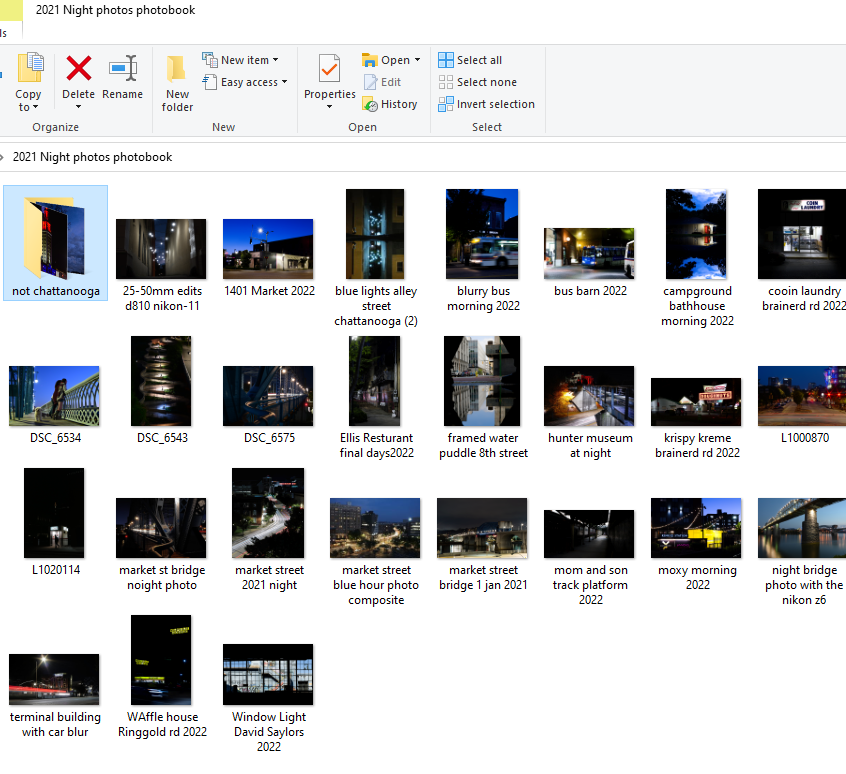
This is just some of the images I have collected for this project so far…
So when I say that I am almost ready to make a book or try to get a gallery to show my work, that is big news coming from me.

I have several projects running in parallel right now, but the main one is a project on negative space that I am almost done collecting images for, then it will be the sorting and seeing if they work better as a book or a gallery. I don’t know a lot about how galleries operate, but I do know that I would like to see my work in one at some point.

Another project I am working on is one on urban decay in the Chattanooga area that I have been working on some. It is not as near close to finished but I have been working on it…
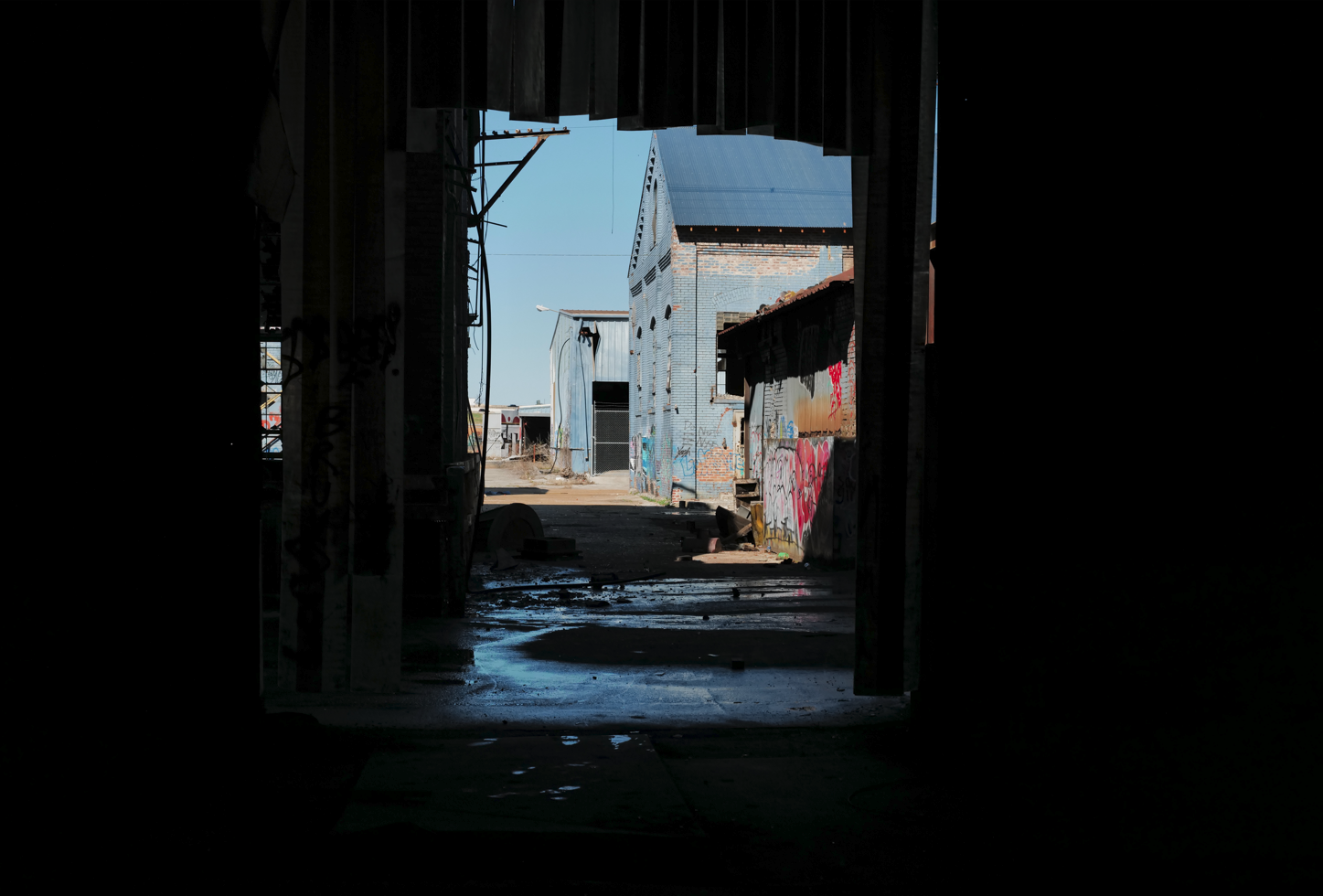
I love negative space photos for some reason, so I am always looking for them.
I have found that if you have a goal with your photography then you will get up and go shoot photos on the days you don’t feel like it. I have tried it both ways and the days that don’t have a goal typically end with nothing constructive coming from them. So it is really important to me to have a goal with the day or I don’t seem to get much done. Maybe it will work different for you, but that is how it works for me.
Do you have any cool projects you have been working on? Are you finished and already have them in a book or gallery? Do you have any tips on how to work with galleries?
Thanks and get your camera out and take a picture with it.
Why I have been slacking on my blog till now...
Why have I been slacking on my blog until now?
In a word…Youtube… Let me explain.
You see I have a channel on YouTube and over the past few years I have been trying to get it off the ground and one thing I have found is that you cant do YouTube and practically anything else at all…

The algorithm is such that you have to basically spend all your free time “feeding the monster” to get it to show your videos, this creates a cycle of content creation for views that leaves little time for anything else, and not being creative to bring joy to my life or anyone else for that matter took a while to realize... SO back in June I decided to take a break from making YouTube videos and to focus on just enjoying shooting photos and it has been wonderful! I have taken so many photos of things I love and have honestly learned what it is that I really like to shoot when I pick up my camera.

I don’t really enjoy photographing people up close all that much and with the new environment post 2020, people are real apprehensive about getting real close on the street anyway. I have found I really like the 50mm focal length, I have other lenses, but this lens has been on my camera for months now with almost no change. I also learned that I like to photograph Sacred Harp singings with a 105mm focal length, I just love the effect this lens gives me...

Isaac Green leading his song at a local singing.
Wanna know what a singing is? go here: FaSoLa Website or click on the photo above.
So going forward, my main outlet for my creative and hobby stuff will be this blog and my YouTube channel will probably get a monthly update video talking about what has been going on. I thought that “video” was the way forward for ALL creatives, but it doesn’t seem like that is the path for me, so I am going to shift my focus to my blog and get this photography blog moving like I should have from the beginning. I kinda enjoy doing this more anyway, so lets have some fun! Now get your camera out and go take a picture with it!
Chattanooga Life #5
Tonight I was waiting on a phone call from the wife about bringing some food to her and thought I would grab a few photos while I was there. I used my Leica CL and the 35mm Elmarit lens and tried to capture what it felt like to be out tonight while it started to rain. This is an example of seeing the setup and taking the time to get the photos while the conditions were right, the time passed pretty quickly and once it was dark, I had to completely change the way I was looking at the scene and come up with new compositions that didnt involve the sky. These photos are not technically in Chattanooga, but Trenton Ga is in the greater Chattanooga area so I consider it basically a suburb of Chattanooga. I had to work the scene pretty hard as the light diminished pretty rapidly due to it being blue hour when I started. Raining is part of street photography and these moody clouds really helped set the mood. What is your favorite time and conditions to capture street photos?


Chattanooga Life #4
Well, some days, the people are outside and some days they are not. This day the people were outside… it is nice to see the people getting back to life as usual and that waiting on the world to “turn back on” is just wasteful. I really enjoyed being out among the people of Chattanooga with my camera and getting street photography style photos. It can be tough in Chattanooga with street photography since the city is more spread out, but some days it just works. I finally got a little longer lens (85mm effective field of view) so I should be able to get a little more going forward.


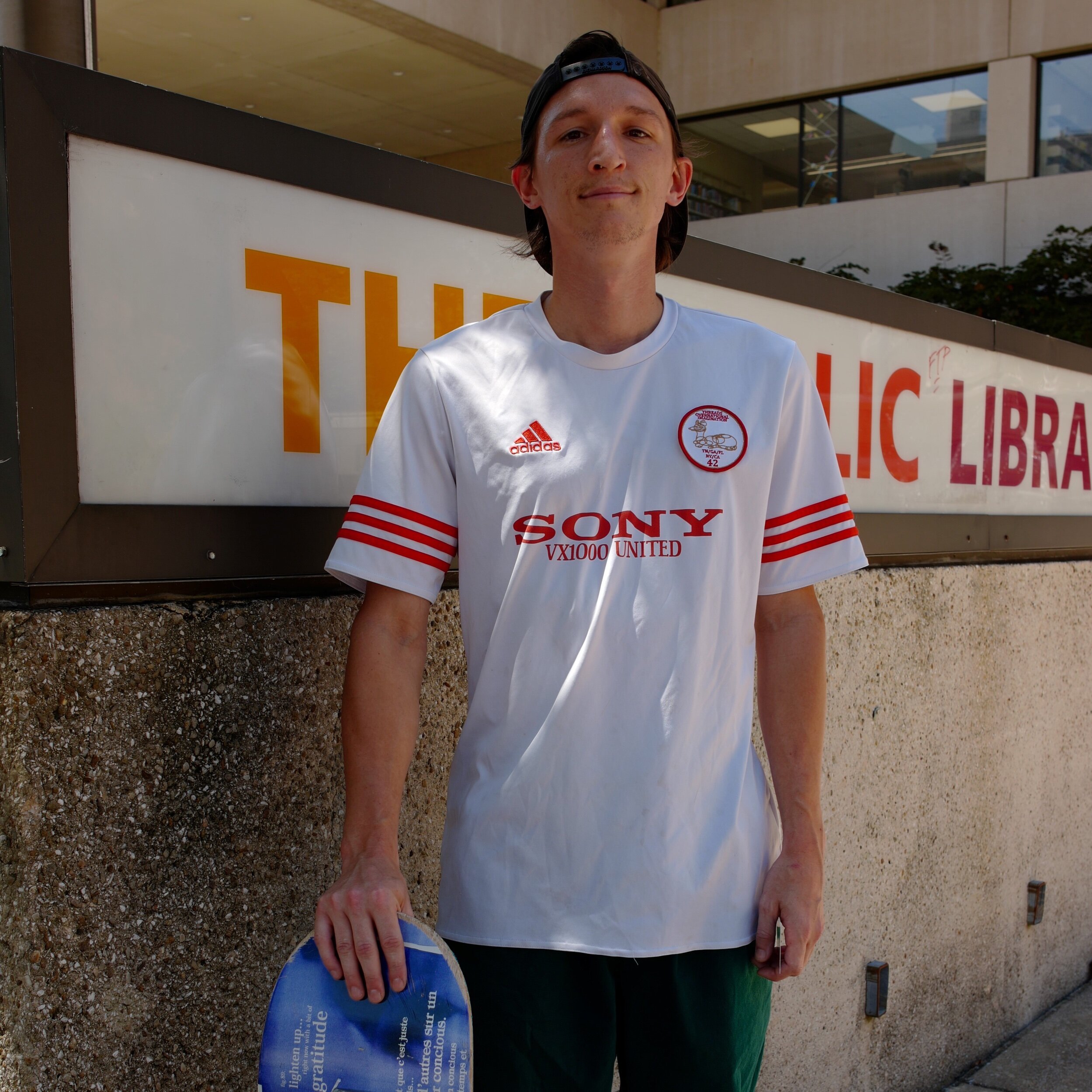

The people here are good people for the most part with a good message… get your camera out and take a picture with it. #streetphotography #photography #chattanooga #camera
Chattanooga Life #3
With the coming of fall in the air, people are starting to get outside a little more, even though the pandemic is far from over… I honestly think people are simply getting tired of being scared of it and are just going back to daily life with the added inconvenience of wearing face coverings. Horse and buggy rides are back in operation and people are enjoying the time spent with them. I’m personally glad to see people getting on with life…#streetphotography #photography


Chattanooga Life #2
“Windowshopping with dad” This image was taken on Market Street 31 JUL 2020
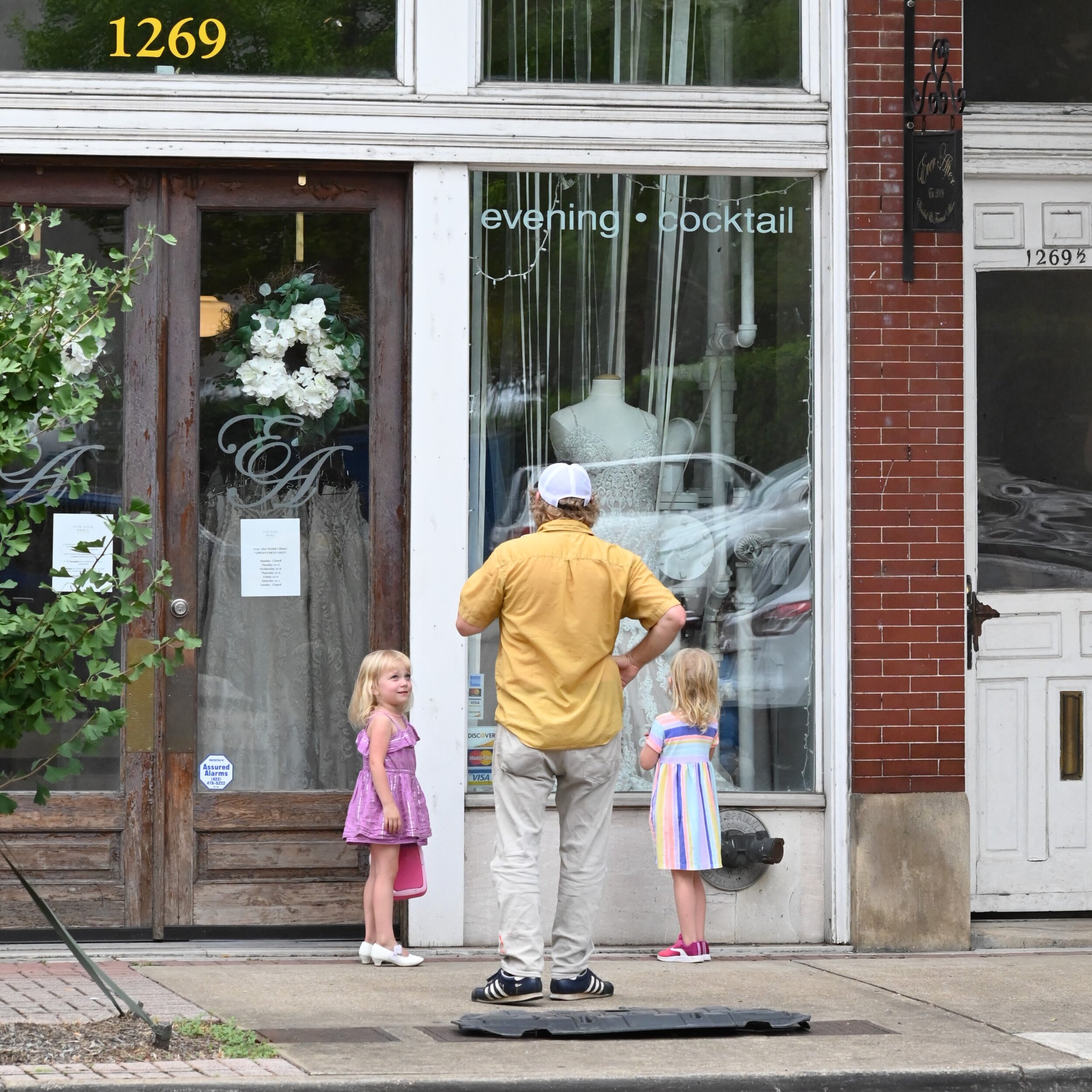
I wonder what she is telling him… Chattanooga street photography is a lot of fun.
Chattanooga Life #1
Ok, so this is going to become something that I work on regularly for the next couple of years. The plan is to post a square photo of something to do with life in Chattanooga as viewed through my lens a few times a week. The first one is of a fellow on a bicycle on Cherokee Street, this city is very “outdoorsy” if you have never been here.

If all goes as I hope, these street photography photos will form a life of their own and might just become a book at some point… I hope you enjoy them as I share them. ~David Saylors
We went to the Smokies for some photography.

Last weekend we went to the Great Smokey Mountain National Forest to meet up with a friend and to do some photography. We try to do it on the weekend of the color peak, but so far we have never hit it right. Lol. This year we tried something a little different and went to Morristown to a camera shop that is there. After perusing Camera Castle for a while, we did a little street photography on Main Street in Morristown. We met some really nice people there and generally had a great time. The second day involved a lengthy hike to a small waterfall called Henwallow Falls that provided gorgeous vistas through the trees as well as some interesting nature with the flora and fauna. The evenings were spent editing the days photos and we even did a YouTube live stream from the cabin! If you get the opportunity to do something like this, I highly reckon you go, it is totally worth it. The link to the video below is just a taste of the fun we had…


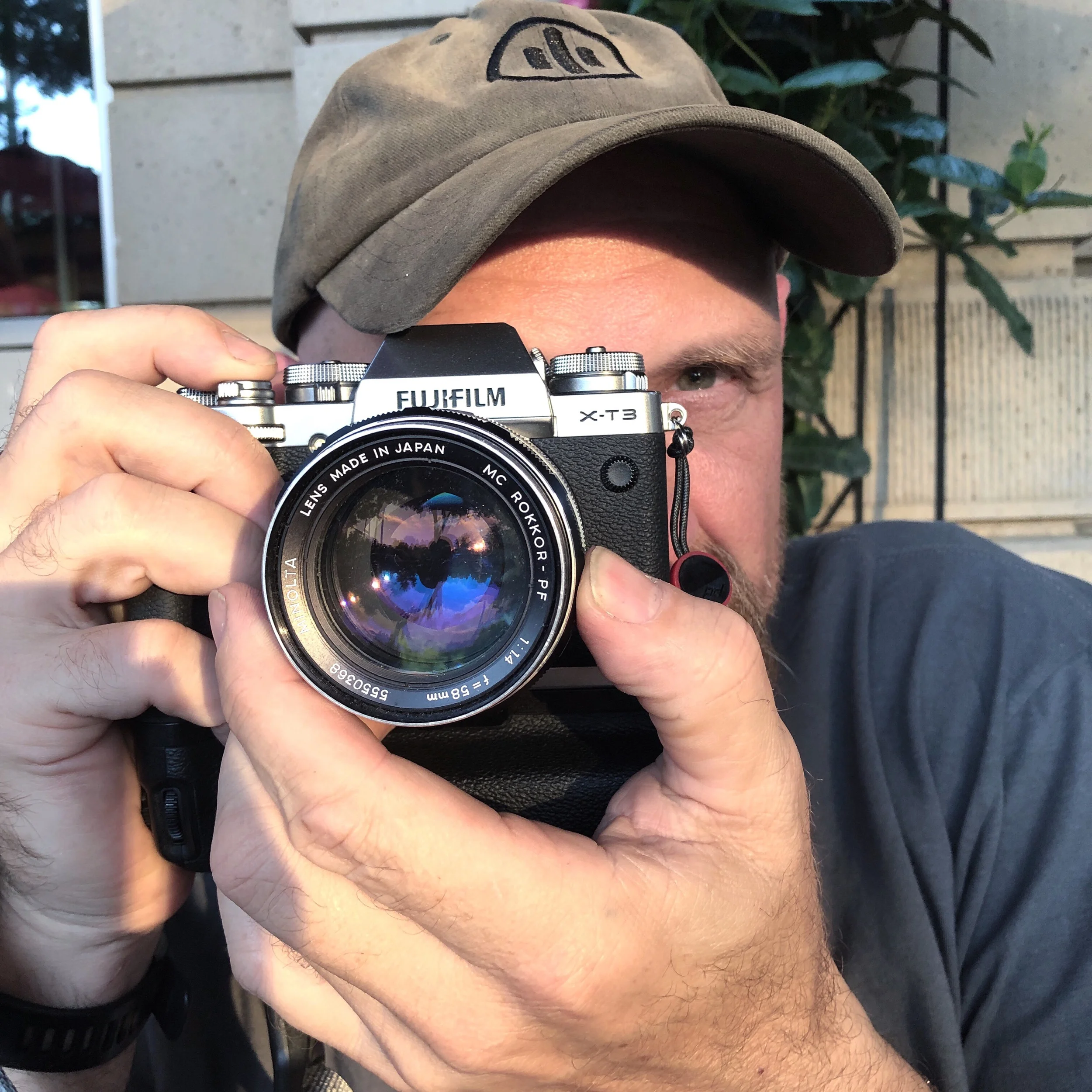
Is YouTube good for your photography?
I have been thinking about this a good bit and I have concluded that YouTube is a double edged knife of sorts. On the one hand it is good for research and legitimate tutorials if you can wade through the product “reviews” and clickbaited op-ed pieces.
When I look at a video on YouTube now, I am analysing it for all sorts of things and not just the face value. Things like;
Is the tip valid or just something to garner views?
Does the tip or skill bring something to my table that I will actually use?
Is the video also entertaining?
Does the video have photos embedded that show how to use the information or resultant images that display how the information will help me?
Is the video a thinly veiled product advertisement or endorsement meant to lead me to affiliate links for purchase?
Am I being “sold” on something I dont need?
These are just the ones I came up with off the top of my head while writing this blog post. Some of those are touchy for me too since I also have a channel of my own.
With my own channel, I have ads enabled on certain videos and some content I do not because I dont want that content influenced by the drive to get views. I want those videos to be an outlet of sorts for our engagement on a sort of personal level. This allows me to connect with my viewers and from what I can tell, it seems to work for me.
I am also an anomaly in that I do not need the ad revenue to sustain my lifestyle. This frees me from needing ad revenue to finance my hobby so I am free to make the content I want instead of click based content. The problem is, I find myself making content to garner clicks all the time… I try to consciously not do this, but the lure is so strong that it happens sometimes anyway. So why do I want to make those videos that are just for the view count? I feel it has to do with the channel analytics page. This page shows you, in almost real time, the results of your efforts. It seems like a fancy video game at times and the natural desire to win drives you to increase the numbers. The algorithm is written to provoke us to make content like that so you guys will watch it. We are being played from both sides so they can sell ads.
I like the little stream of money that is coming from these videos though, so I just have to find balance somehow. What’s a guy to do?
What do y’all think?
Check out my channel on YouTube if you are done shooting for the day.. lol
David Saylors