Solo Photography: Why I Prefer Shooting Alone for Street and Travel Photography
I do enjoy both types of trips, I am just more inclined to solo trips over trips involving others. I don't know if this is a desire to enjoy the freedom associated with solo travel, if it is some sort of childhood learned behavior, or that it might just be therapeutic. Whatever it is, I just love solo photography.
When I think about my most favorite photography themed trips, I only have two categories. Solo trips and collaborations are my main two categories here.
Of those two categories though, solo trips are my favorite.
I do enjoy both types of trips, I am just more inclined to solo trips over trips involving others. I don't know if this is a desire to enjoy the freedom associated with solo travel, if it is some sort of childhood learned behavior, or that it might just be therapeutic. Whatever it is, I just love solo photography.

Why Solo Photography Works for Me
In fact I love it so much that I almost never collaborate with others on any sort of project whether it be a video or photo shoot or even to just hang out as they say. This is partly because I grew up pretty much by myself and learned to enjoy solitude instead of hating it.
When you spend enough time alone, you come to learn the freedom it provides and you actually crave it. So for me, I will operate alone for the most part.
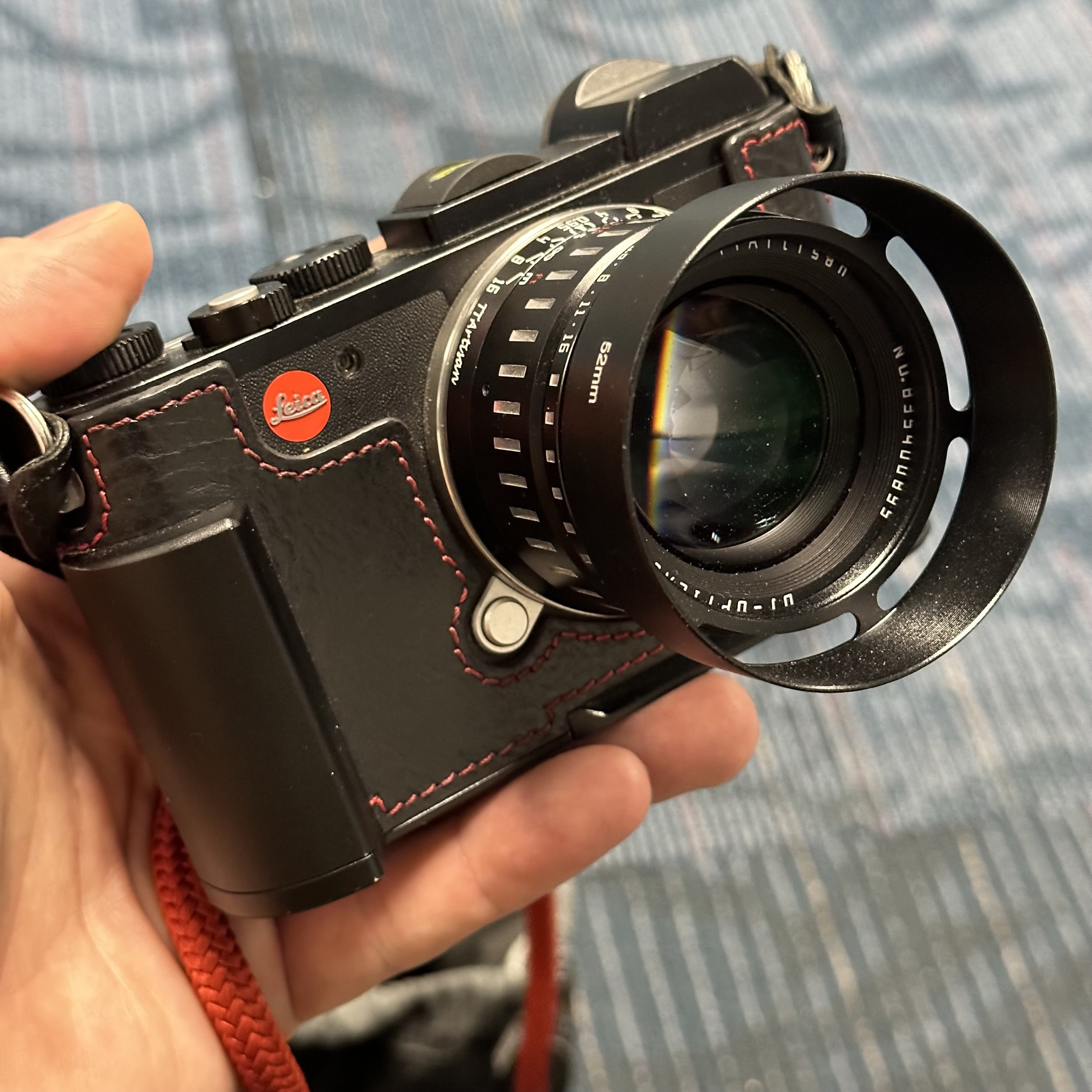
There's something about being out with just my Leica CL and a lens that just works. No one to wait for, no one to compromise with on where to go next, and no one to apologize to when I want to stand on a corner for 20 minutes watching light change on a building. If I see something interesting down a side alley, I can just go. No group discussion required.
The Leica CL is practically invisible anyway. The small form factor means I can blend into crowds at markets or slip into doorways without drawing attention. Try doing that with a group of photographers bristling with tripods and camera bags - you'll clear the street in seconds.
Show Image

The Freedom to Move at Your Own Pace
The standard recipe for success is pretty simple. Don't tell anyone you're going out shooting and then go. Lol… I was only half joking here, if you're serious then you will just go.
Another thing that is special about solo photography is that you can explore at a pace that is inconceivable by others. You can go as slow or as fast as you want and can even get into areas where multiple people just would not be feasible.
I've had photowalks where I covered 10 miles in an afternoon because I was following interesting scenes from neighborhood to neighborhood. I've also had sessions where I spent three hours within a two-block radius because the light was just right. Both were equally rewarding, and both would have been impossible if I'd been trying to coordinate with someone else's schedule or energy level.
When I'm alone with my camera, time sort of disappears. I'm not thinking about whether my companion is getting bored or hungry or tired. I'm just in the flow of observation and capture. That's when the best images happen - when you're not trying to make them happen, they just unfold in front of you.
The Drawbacks (Because There Are Some)
Now this is not without its pitfalls either. You see, when you don't collaborate with others your projects typically won't grow past a certain point. If you are the kind of person who has big ambitions for your projects, then operating like me is probably not the best idea.
To be fair though, it is not without its pitfalls too. For some people, being alone with your thoughts is actually terrifying. So if you need interaction with others, then what I am doing here is not for you.
I'm not going to lie and say solo photography is for everyone. Missing out on collaboration means missing out on second perspectives, on someone to watch your back, on bouncing ideas around. If your camera fails, you're on your own. If you get a flat tire on the way home, there's no one to help. And yeah, your channel or your business or your Instagram probably won't grow as fast without the networking and collaboration that comes from working with others.
But here's the thing - I'm okay with that. My photography isn't about building an empire or going viral. It's about the process, the meditation, the simple act of seeing and capturing. And that works best for me when it's just me and the camera.

Gear Considerations for Solo Shooting
Over the years I've learned that when you're shooting alone, your gear choices matter even more. You can't hand off a second camera body to someone else. You can't ask your buddy to carry the extra lens. Everything you bring, you carry.
This is why the Leica CL has become my go-to for solo work. One body, usually just one lens - typically my Voigtlander 35mm Nokton or the TTArtisan 35mm f1.4. A spare battery in my pocket. That's it. I've done full day photowalks with nothing more than that.
The SL2 with the APO Summicron is amazing, don't get me wrong, but that package is heavy and conspicuous. Great for certain kinds of work, but not ideal for wandering around a city for hours. When you're alone, you feel the weight of every piece of gear, and you notice when people notice you.
Minimal gear also means minimal decisions. I'm not standing there switching lenses and missing moments. I know what my 35mm can do. I know where I need to be standing to get the shot I want. It becomes instinctive. Photographer Eric Kim has written extensively about the benefits of minimal gear for street photography, and I've found his approach aligns well with solo work.
Safety and Awareness
Here's something nobody really talks about - shooting alone requires a different level of awareness. You don't have someone watching your back while you're looking through the viewfinder. You're responsible for noticing your surroundings, keeping track of your gear, and making smart decisions about where you go and when.
The Digital Photography School has good guidelines on staying safe as a photographer, which become even more important when shooting alone."
I stick to populated areas during daylight hours. I stay aware of who's around me. If something feels off, I move on. My wife usually knows where I am and when I expect to be back. These aren't revolutionary safety practices, but they matter more when you're solo.
The flip side is that this constant awareness makes you a better photographer. You're tuned in to everything happening around you. You notice details. You see patterns. You sense when something interesting is about to happen. That heightened awareness feeds directly into better images.

Finding Your Zone
When I wander the streets with my camera, I am at peace. No one to make sure you're not leaving behind or holding back. No judgement about equipment, it is just the process. If you have not found your zen activity then I recommend you start looking at what makes you really happy and focus on that.
This took me years if not decades to truly figure out. Looking back, things could have gone a very different way had I followed what worked for me instead of what other people said I should be doing.
For a while there I thought I needed to be out shooting with wide glass, getting close to people, being all up in the action like you see in classic street photography. That works for some people. Not me. I have a real problem invading personal space. It's a hard boundary for me, and trying to force myself past it just made photography stressful instead of enjoyable.
So I adapted. I shoot longer focal lengths (that 35mm on the crop sensor CL gives me a 50mm equivalent field of view). I find my scenes from a respectful distance. I wait for moments to develop instead of forcing them. And you know what? The images are better because I'm comfortable, I'm in my element, and I'm enjoying the process. Not everyone needs to shoot like Henri Cartier-Bresson to do great street photography - finding what works for you is what matters.
How to Get Started with Solo Photography
If you're thinking about trying solo photography, here's my advice: just start. Don't overthink it.
Grab your camera, one lens, and head out somewhere familiar. Your own neighborhood is fine. Walk around for an hour. See what you notice. Don't put pressure on yourself to come back with amazing images - just get comfortable being out there alone with your camera.
Once you're comfortable close to home, expand your range. Try a different neighborhood. Head downtown. Visit a park. Each time you go out, you'll build more confidence and develop your own rhythm.
The first few times might feel weird. You might be self-conscious. You might wonder what you're doing wandering around by yourself with a camera. That's normal. It passes. Eventually you stop thinking about yourself and start noticing everything else.
Solo Doesn't Mean Isolated
Here's the thing people sometimes misunderstand - shooting solo doesn't mean you're antisocial or that you hate people. It just means you prefer the creative process to be solitary.
I still enjoy talking with other photographers. I still like sharing images and getting feedback. I still appreciate seeing what others are creating. I just don't want to coordinate schedules or compromise vision when I'm actually out shooting.
Some of my best photo conversations happen after the fact - showing someone what I found, talking through why I framed something a certain way, learning what others are working on. The difference is the actual capture happens on my terms, at my pace, following my instincts.
The Bottom Line
Solo photography isn't the only way or even the best way - it's just the way that works for me. Your mileage may vary. Some people thrive in collaborative environments. Some people need that external motivation to get out and shoot. Some people genuinely enjoy the social aspect of group photowalks.
Me? I enjoy the silence, the solitude, and the freedom to follow wherever my eye leads me. I love knowing that if I want to spend an hour photographing rust patterns on a fence, nobody's going to roll their eyes or check their watch. And when I get home and look through what I captured, those images feel entirely mine - for better or worse.
If you're wired like I am, give solo shooting a try. Start small, build confidence, find your rhythm. And if you discover it's not for you? That's fine too. The goal isn't to shoot alone - the goal is to shoot in whatever way brings you joy and produces images you're proud of.
Is solo photography safe? Solo photography can be safe with proper precautions. Stay aware of your surroundings, stick to well-lit public areas, let someone know your plans, and trust your instincts. The National Press Photographers Association offers additional safety resources for photographers working alone."
What gear do I need for solo photography? Keep it minimal - one camera body, 1-2 versatile lenses, spare battery, and memory cards. The lighter your kit, the more freedom you have to move and explore.
How do I get comfortable shooting alone? Start in familiar areas close to home. Build confidence gradually, practice being aware of your surroundings, and focus on the creative process rather than self-consciousness.
Is solo photography better than shooting with others? Neither is inherently better - they serve different purposes. Solo shooting offers freedom and personal creative flow, while group shoots provide collaboration and different perspectives.
Thanks for following along on my ramblings here. Check out my street photography portfolio to see what solo shooting produces, and I hope to hear from you soon!"
Other related posts and subjects
Recommended Gear for Solo Street Photography
Support this website by using these affiliate links to shop on Amazon:
Leica M11 Digital Rangfinder Camera
Voigtlander Nokton 35mm f/1.4 II
Sandisk 128GB Extreme Pro memory cards

Solo Street Photography with Leica CL: Finding Joy Shooting Alone (Not Following the Rules)
I really like the 50mm perspective of these lenses on a crop sensor camera like my Leica CL. If I use a full frame machine then Iwill usually opt for something in the 50 to 58mm range as well.
After years of feeling pressure to do street photography "the right way," I finally figured something out: solo street photography photowalks with my Leica CL and a 50mm lens bring me more joy than following anyone else's rules. This is the story of how I stopped trying to shoot like Peter McKinnon, quit worrying about YouTube success, and rediscovered why I fell in love with photography in the first place—just grabbing my camera and hitting the streets alone.

My go-to setup: Leica CL with Voigtlander 35mm Nokton—this gives me a 50mm perspective on the crop sensor.
Why I Love Solo Street Photography (And You Might Too)
There's something incredibly freeing about solo photowalks that I didn't appreciate until I tried them consistently. When you're alone, there's no one to impress, no one waiting on you, and no one questioning why you're standing in the same spot for ten minutes watching the light change. You can be completely present with your camera and your surroundings without any social pressure.
I'll admit, at first the idea of walking around with a camera alone felt a bit weird. But then I realized—nobody cares. People are absorbed in their own lives, and you're just another person walking down the street. The freedom this brings is immense. If I see something interesting, I can stop and shoot it from ten different angles without feeling like I'm holding anyone up. If nothing inspires me, I can just enjoy the walk. There's zero pressure to "perform" or justify your creative choices to anyone.
My Leica CL Street Photography Setup: 50mm Perspective on Crop Sensor
It is just plain fun to grab a camera, a spare battery and hit the streets to see what I can find to photograph. My weapon of choice is the Leica CL mirrorless camera with one of several lenses. Usually though, my Leica CL is wearing a Voigtlander 35mm Nokton or a TTArtisan 35mm f/1.4, you never know which.
I really like the 50mm perspective of these lenses on a crop sensor camera like my Leica CL. The 1.5x crop factor means that 35mm lens gives me a 52.5mm field of view—basically a classic 50mm perspective. This is perfect for my shooting style because it gives me comfortable working distance from my subjects while still creating nice compression and subject isolation. If I use a full frame machine then I will usually opt for something in the 50 to 58mm range as well.
The Leica CL itself is the perfect camera for solo photowalks. It's small enough to not be intimidating, quiet enough to be discreet, and produces image quality that rivals cameras three times its size. The electronic viewfinder is bright and clear, the controls are simple and intuitive, and the whole package fits easily in my hand or jacket pocket. I can carry it all day without fatigue, and more importantly, I can carry it without thinking about it—which means I'm thinking about photography instead of gear.
I will take my 28mm lenses for the occasional stroll, but my staples are the 50mm lenses. Shoot, I even have the Leica APO Summicron SL 50mm for my Leica SL2 mirrorless camera as well because I like them so much. That is an insane package to be just strolling around town with slung around your neck…as well as heavy. Haha.
Breaking the Street Photography Rules: Why 50mm Works Better for Me Than 28mm
This literally took me years if not decades to truly figure it out. That is a hard pill to swallow at times too. Looking back, things could have gone a very different way had I followed my real passion instead of thinking I could be like Peter McKinnon… Live and learn I guess.
Before Pete came along and made me think I could be this ultra successful YouTube personality, I did things that other people said were what you should do. Like do street photography with wide glass and get close to people and stuff like that. That works for some people, but not me, I seem to have a real problem getting close to other people. Invading their personal space is such a red flag for me that I will just let the photo go before I attempt something like that.
Here's what nobody tells you about the "get close with a wide lens" approach: it's not just about technical skill, it's about personality. Some photographers are naturally extroverted, comfortable in stranger's personal space, and can pull off that close-up street style. I'm not one of those people. And you know what? That's completely okay. Using a 50mm or even longer lets me capture authentic moments from a respectful distance where neither I nor my subject feels uncomfortable. The photos are different than 28mm shots, but they're not worse—they're just mine.
This made for some truly terrible photos just to be honest about it. Mostly, it made me not want to go out and shoot though… so my very first Nikon DSLR would sit in the closet for months at a time with me not so much as looking at it. Who wants to go to a job and be stressed about that all day THEN make your hobby about "getting out of your comfort zone" and being stressed about that too?!? I almost gave up photography at one point because of this to be honest.

A typical scene from my solo photowalks—natural moments, comfortable distance
I have spent so long making YouTube content that I had actually forgotten how much fun it was to just go shoot. I will now get my camera and a battery or two and just hit the bricks. What I had to learn to do was to make a video about one every so often to share what I am doing with the viewers. I took a “sabbatical” the last two years in the first part of the year so I could do this. It helped dramatically too with my well being and my creativity.


Simple gear for photowalks: one camera, one lens, spare batteries. That's all I need.
From YouTube Pressure to Photography Joy: My Personal Journey
I finally found some joy when my daughter began competing in rock climbing. She joined a team and they would go all over for these events and I got my camera out and started photographing these gatherings and realized that there was more to this hobby than just what others said is good photography. I found a lot of joy in capturing interesting angles of the climbers and going to the trouble of sharing the photos with the team when done. It was really rewarding to be honest.
Then I broke my ankle and at about the same time, Sierra "aged out" of the team and stopped attending the events as life got in the way. Well, I needed a new avenue to focus on and found it in my YouTube channel. I learned over the years that a good YouTube content creator is not a good photographer—they are two very different things and I wandered down that rabbit hole for a while before realizing that it wasn't going to work for me.
The YouTube algorithm rewards consistency, spectacle, and engagement over artistry. It wants you to post weekly, chase trends, and create content that keeps people watching. That's fine if you want to be a content creator, but it's exhausting if you just want to be a photographer. I found myself thinking more about thumbnails and titles than I did about light and composition. I was shooting for the camera review, not for the creative satisfaction. That's when I knew something had to change.
The Joy of Street Photography Photowalks Without Pressure
This is where I am at now… just a guy with a camera out taking some pictures. No YouTube schedule to maintain, no algorithm to please, no gear to review, no style to emulate. Just me, my Leica CL, and whatever catches my eye. Some days that's dramatic light on a building. Other days it's a person waiting for the bus. Sometimes it's nothing at all, and that's fine too.
I have spent so long making YouTube content that I had actually forgotten how much fun it was to just go shoot. I will now get my camera and a battery or two and just hit the bricks. What I had to learn to do was to make a video about one every so often to share what I am doing with the viewers. I took a "sabbatical" the last two years in the first part of the year so I could do this. It helped dramatically too with my wellbeing and my creativity.
The biggest lesson? Photography should add to your life, not drain it. If your hobby is causing you stress instead of joy, you're doing it wrong—not because you're a bad photographer, but because you're following someone else's path instead of your own. Give yourself permission to shoot what you love, how you love, with whatever equipment makes you happy. That's where the good work lives.
Solo Street Photography Tips: Finding Your Own Style
Ultimately I found that I loved to go on photowalks and simply take pictures around me. Here's what I've learned about making solo photowalks work:
Keep your gear simple. I bring one camera, one lens, and two batteries. That's it. No bag, no accessories, nothing to fidget with or second-guess. This simplicity forces you to work within constraints, which actually makes you more creative, not less.
Shoot for yourself first. I used to think about how a photo would perform on Instagram or YouTube before I even took it. Now I shoot what interests me in the moment. Some of my favorite images would probably get three likes on social media, and I don't care. They're mine.
Walk the same routes sometimes. There's this idea that you need exotic locations for good street photography. I've learned more shooting the same three-mile radius around my house than I did traveling to "photogenic" cities. Familiarity breeds understanding. When you know a place well, you start to see the light differently, notice the rhythm of the day, and find moments you'd miss as a tourist rushing through.
Don't force it. Some walks I come home with fifty keepers. Other times I get nothing. Both are valuable. The walks where I don't press the shutter much are still feeding my creative eye, teaching me to see, and giving me time to think. Photography is as much about observation as it is about capture.
Frequently Asked Questions About Solo Street Photography
Is it okay to do street photography alone?
Absolutely! Solo street photography is not just okay—it's often the best way to shoot. When you're alone, you move at your own pace, follow your creative instincts without compromise, and blend into the environment more naturally. I've found that shooting solo actually reduces pressure because there's no one watching, judging, or waiting for you. You can spend five minutes on one corner if that's what feels right, or walk five miles following the light. Some of my best work happens when I'm alone with my camera and my thoughts.
What focal length is best for street photography?
There's no "best" focal length—only what works for your personality and shooting style. The conventional wisdom says 28mm or 35mm, but I prefer 50mm equivalent (which is a 35mm lens on my Leica CL crop sensor). The 50mm perspective gives me comfortable distance from my subjects, creates nice compression, and doesn't make me feel like I'm invading anyone's personal space. If you're uncomfortable getting close to strangers, telephoto focal lengths like 50mm, 85mm, or even 105mm can work beautifully. Don't let anyone tell you there's only one "right" way to do street photography.
How long should a street photography photowalk be?
Your photowalk should be exactly as long as it needs to be. Sometimes I'm out for 30 minutes and come home with great shots. Other times I'll wander for three hours and barely press the shutter. I've learned to follow my energy and creative flow rather than forcing a specific duration. Start with 30-60 minutes if you're new to photowalks, and let it evolve naturally. The goal is joy and creativity, not checking off a time requirement.
Can you do street photography with a Leica CL?
The Leica CL is fantastic for street photography! It's compact, discreet, produces excellent image quality, and the crop sensor actually gives you a nice 50mm perspective with a 35mm lens (or 75mm with a 50mm lens). The quiet shutter, simple controls, and build quality make it perfect for solo photowalks. I love that it doesn't scream "expensive camera" like a big DSLR or even a Leica M, so I can blend in while still getting Leica color and image quality. It's honestly my favorite camera for just grabbing and hitting the streets.
Do I need to follow street photography "rules"?
No! This is the most important thing I've learned: there are no rules, only guidelines that work for some people. You don't have to shoot wide angle, you don't have to get close to strangers, you don't have to shoot in black and white, and you certainly don't have to make yourself uncomfortable to get "good" street photography. Find what brings you joy and shoot that way. The best street photography comes from authentic vision, not from following someone else's rules. If 85mm or 105mm feels right, use it. If you prefer color, shoot color. Make your own rules.
What should I bring on a solo street photography walk?
Keep it simple—that's the beauty of solo photowalks. I typically bring just my Leica CL with one lens (usually my Voigtlander 35mm Nokton or TTArtisan 35mm f/1.4), and one or two spare batteries. That's it. No camera bag, no lens changes, no complicated gear setup. The simplicity is liberating. You can add a small water bottle and maybe your phone for emergencies, but resist the urge to pack heavy. The lighter you travel, the longer you'll walk and the more you'll enjoy it. Less gear equals more photography.
Support this website by using these affiliate links to shop on Amazon:
Leica M11 Digital Rangefinder Camera
Nikon AF-S FX NIKKOR 105mm f/1.4E ED Lens
Voigtlander Nokton 35mm f/1.4 II
Sandisk 128GB Extreme Pro memory cards
Nikon 50mm f1.8 S Lens for Z mount
Thanks for following along on my ramblings here. If you're feeling the same pressure I felt—to shoot a certain way, use specific focal lengths, or build a YouTube following—I hope this gives you permission to just grab your camera and go shoot for the joy of it.
Are you doing solo photowalks? I'd love to hear about your experiences in the comments below. What focal length do you prefer? Do you follow the "rules" or have you found your own path?
Want more honest photography content without the pressure? Subscribe to my photography blog for weekly posts about real creative journeys, not just gear reviews and pixel-peeping.

A day out with Aaron in Chattanooga
It was time...
We have not gathered to shoot photos in quite some time now so Aaron found there was a beard competition happening in Chattanooga and decided to make his way down for it.
It was time...
We have not gathered to shoot photos in quite some time now so Aaron found there was a beard competition happening in Chattanooga and decided to make his way down for it.
The Setup: What I Shot With
For this day out with Aaron, I kept my setup simple:
Camera: Leica SL2 (full-frame mirrorless) Lens: Leica 50mm APO-Summicron Mode: Aperture priority with -2/3 exposure compensation ISO: Auto (probably ranged between 200-800) Settings: Wide open or close to it (f/2 to f/4 for subject separation)
Aaron was shooting with his new Nikon Z8, and we kept comparing how our cameras metered the scenes differently. The Leica wanted to overexpose about 2/3 stop compared to his Nikon, which meant I had to dial in negative exposure compensation the whole time. This is something you learn when shooting different camera systems together!
The SL2 is heavy (like really heavy compared to smaller mirrorless cameras or rangefinders), but it makes stunning images and the build quality is tank-like. I don't baby it on the streets, which is exactly how a street camera should be used!

Shot with Leica SL2 and 50mm during our Chattanooga day out with Aaron at the beard competition.
When he arrived we spent the evening playing with stuff (his new Z8 in particular) and catching up. But then it was off to bed so we could get up and start our big day of photography.
The next morning comes around and we down some coffee and make a plan to meet up about lunchtime as I had to go to our Church’s Association as a delegate. Seems I made a mistake and assumed I didn’t need to go… lol, I see what that got me. Anyway, I really enjoy Association so it wasn’t like a chore, it meant changing plans a little from the original plans for the day.
So after I finish with business at association, I head over to the Harley Davidson dealership which is where the beard competition is being held. There I find Aaron is short order and it is really crowded. He basically tells me to get my camera out and take a picture with it so I sheepishly do as I am told.

The beard competition at Harley Davidson in Chattanooga. This event was perfect for breaking down personal barriers to photographing strangers! People were there to be seen and photographed, making it easy practice for someone like me who's normally shy with the camera. Shot with Leica SL2 + 50mm.

This fellow was more than happy to pose for me at the beard competition! Events like this are perfect for overcoming shyness in street photography because people expect cameras and are happy to participate. Shot with Leica SL2 and 50mm. The afternoon light gave great contrast for portraits like this!
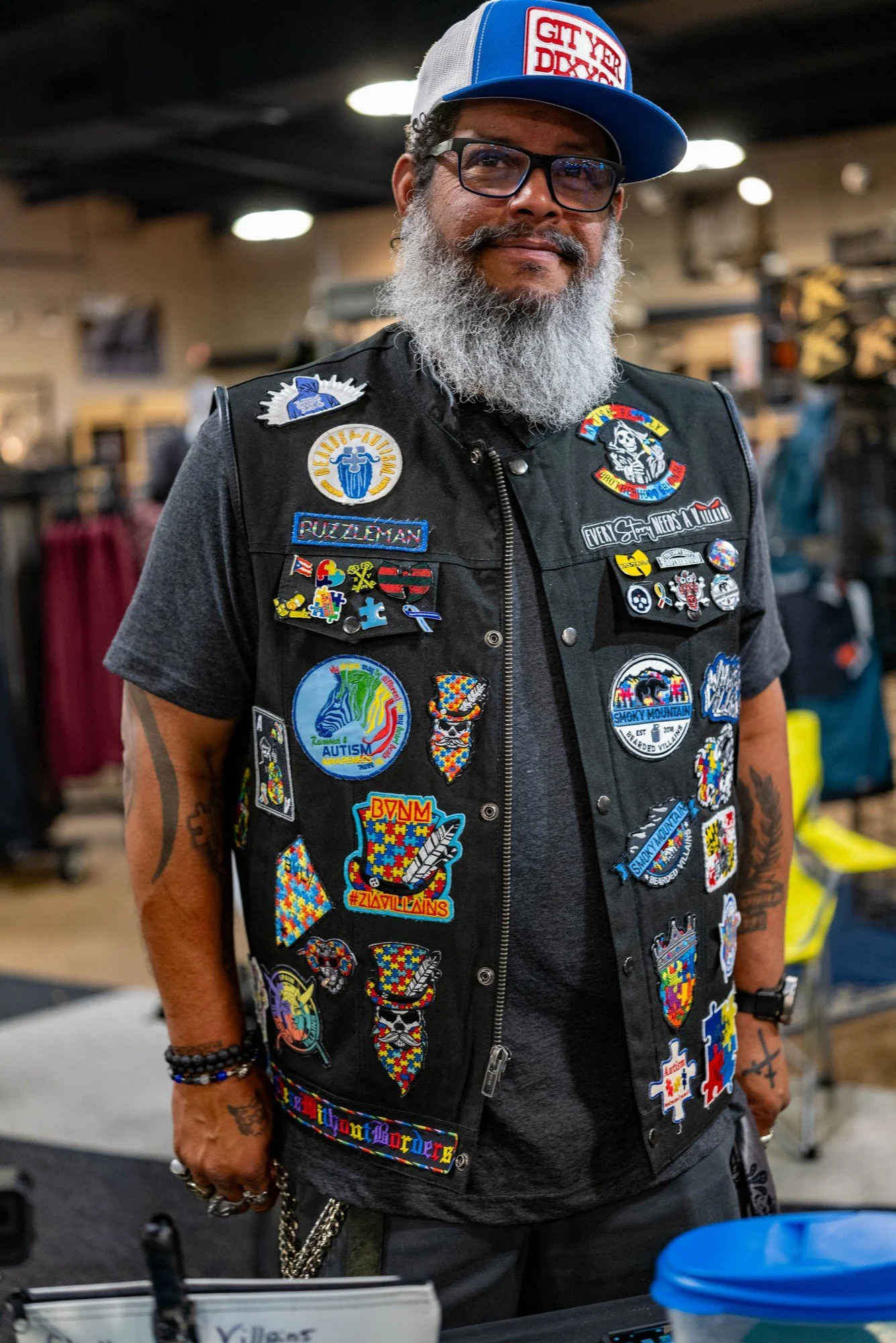
The atmosphere at the beard competition was incredible! Crowded but friendly, with people everywhere happy to get their photos taken. Aaron was right when he told me to just get my camera out and shoot. Sometimes you need that push from a friend! Leica SL2 + 50mm, aperture priority mode.

The atmosphere at the beard competition was incredible! Crowded but friendly, with people everywhere happy to get their photos taken. Aaron was right when he told me to just get my camera out and shoot. Sometimes you need that push from a friend! Leica SL2 + 50mm, aperture priority mode.
You see I am not very aggressive with my photography especially when it involves people. I will ask at times but most of the time, this is why I don’t shoot aggressive street stuff. So now I am starting to get some photos and it is exactly as he mentioned. People happy to get their photos captured are everywhere. Like this fellow below, he was more than happy to pose for me. I will be honest, this kind of event is the perfect thing to break down your personal barriers to shooting photos of people you don’t know.

The Leica SL2 with the 50mm APO Summicron is the perfect camera for a beard Competition!

Even the girls got in on the fun at the beard competition! Not everyone there had a beard, lol. Shot with Leica SL2 + 50mm at Harley Davidson in Chattanooga. This is why I love event photography as practice for street work!
Why Events Are Perfect for Shy Street Photographers
I mentioned I'm not very aggressive with my photography, especially when it involves people. This is something a lot of photographers struggle with! We want to capture candid moments and interesting people, but we don't want to be intrusive or make anyone uncomfortable.
Events like the beard competition are the perfect training ground because:
People expect cameras. They're there to be seen and photographed, so you're not the weird person with a camera. You're just another photographer at an event.
Subjects are willing. Most people will happily pose if you ask, and many will even seek you out to get their photo taken. This builds your confidence!
Low stakes. If someone says no or looks uncomfortable, there are dozens of other subjects around. You're not losing a once-in-a-lifetime shot.
Practice makes perfect. The more you shoot people at events, the more comfortable you get approaching strangers in regular street situations.
Aaron's advice was simple: "Get your camera out and take a picture with it." Sounds obvious, but when you're standing there feeling shy, you need someone to tell you it's okay to just shoot!
Start with events. Work up to regular street photography. Your shyness will fade as your confidence grows! Back to the story in progress…
Well the beard competition winds down about 3 or so in the afternoon and we decide to rearrange the rest of the day to shoot some street photography in downtown and also to go have supper at a great Italian restaurant later on.
The streets of Chattanooga were busier than usual with it being a holiday weekend but it still wasnt really bad where we went for our walk.

We found this mural with light reflecting from the building across the alley and it was just something we couldn't pass up! This is what afternoon light does in downtown Chattanooga. The light spill creates scenes you don't get at other times of day. Leica SL2 + 50mm on our photowalk route through Main and Broad Streets.
We started on Main Street and then headed down Market Street to about 7th where we turned over to Broad Street and then back towards Main eventually diverting over to Cowart street before arriving at the truck.
So now you have the route, let see what we got. I kept joking about channeling my inner Eggleston as I would take photos of the mundane. Another thing I have learned is my Leica wants to shoot about 2/3 stop over exposed compared to my friends Nikon cameras. I kept -2/3 stop exposure compensation dialed in the whole time. I did this to keep the sky from being blown out as the shadows would be dark due to the bright afternoon sun. I will dig into the setup on my camera more to see if I can find out why it is doing that.

The Tivoli Theater is an iconic landmark in downtown Chattanooga Tennessee and never disappoints for a photograph.
Along the way we saw a lot of cool stuff to photograph, like in the images below where it is different light so the images come out different from my usual time of day. With the light further over to the west we kept getting these awesome light spill shots like the one below of the old Rone Regency Jewelers location. This location will be sorely missed by me when they finally do something with this building. I love the gritty nature of the old signage and it wasn’t long ago that the windows were not boarded up so you could actually see inside the store. Even so, the black painted plywood makes a nice contrast to the lighter color of the upper section of the building bringing balance to the image.

The old Rone Regency Jewelers location with afternoon light spilling across the facade. This location will be sorely missed by me when they finally do something with this building. I love the gritty nature of the old signage! The black painted plywood makes a nice contrast to the lighter color of the upper section, bringing balance to the image. Shot with Leica SL2 + 50mm Summicron on our downtown Chattanooga photowalk with Aaron.
We also found a few people to photograph as well. It was not quite as busy as I had figured it would be for a holiday weekend in the downtown area, but there were a few people out and about and I was able to grab a few photos of them. The Leica SL2 is a great camera for this kind of photography as it makes stunning portraits as well as makes for a wonderful, albeit heavy, street camera.
Why Afternoon Light Changed Everything
I usually shoot at different times of day (mid-morning usually), so this late afternoon session was different for me. With the sun further over to the west, we kept getting these awesome, direct sun light spill shots that I don't normally see.
What made afternoon light special:
Hard shadows: The bright afternoon sun created strong shadows and high contrast. Great for black and white or dramatic color shots.
Light spill: Buildings reflecting light into alleys and onto other buildings. This is what made the Rone Regency Jewelers shot work so well!
Window light: Storefronts and windows become light sources, creating interesting reflections and secondary lighting.
Challenge mode: Protecting highlights meant I had to underexpose a bit (-2/3 stop), which made shadows darker. This forced me to look for scenes that worked with that contrast.
Different light means different photos. Don't just shoot at the same time every day! Mix it up and see what you discover.
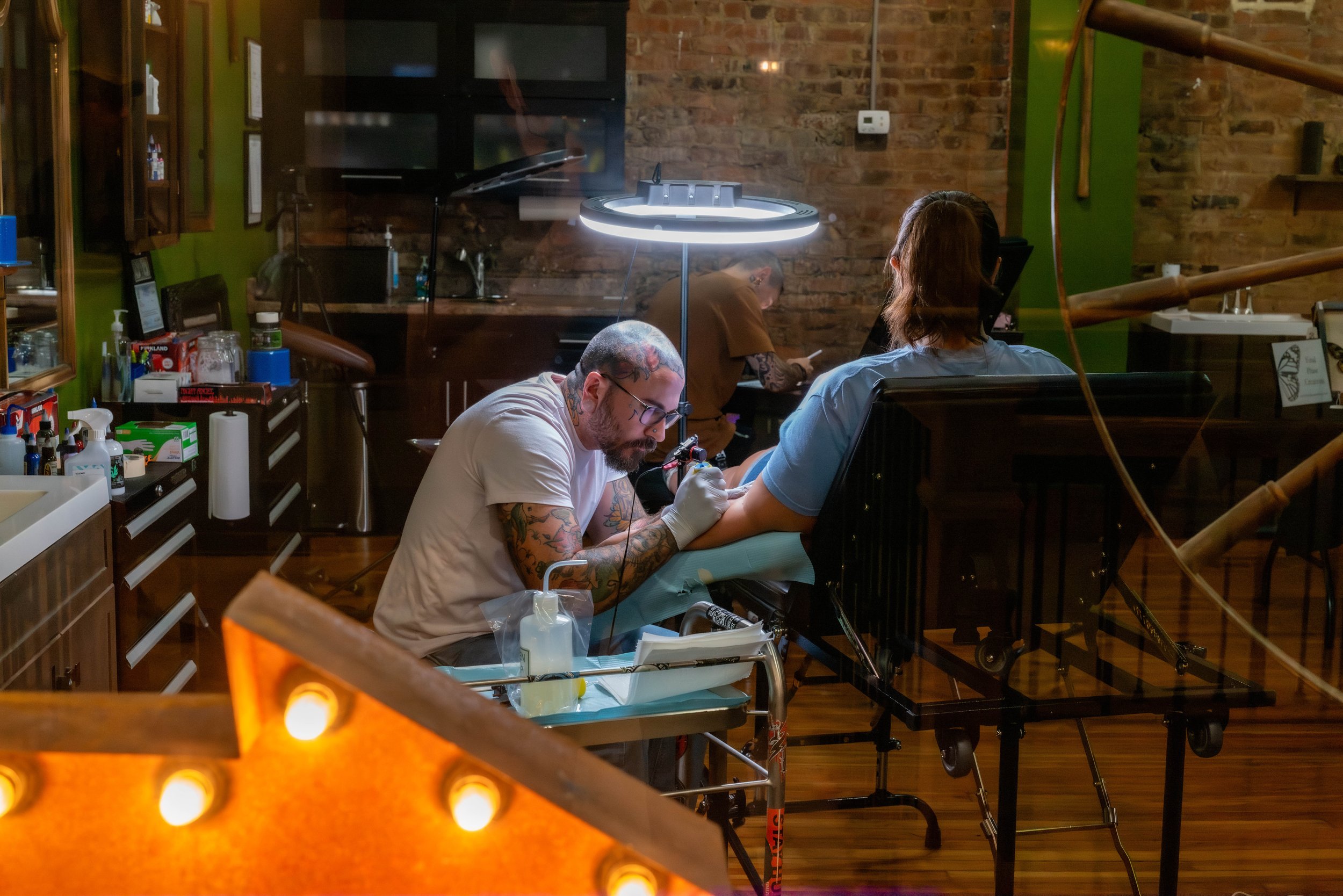
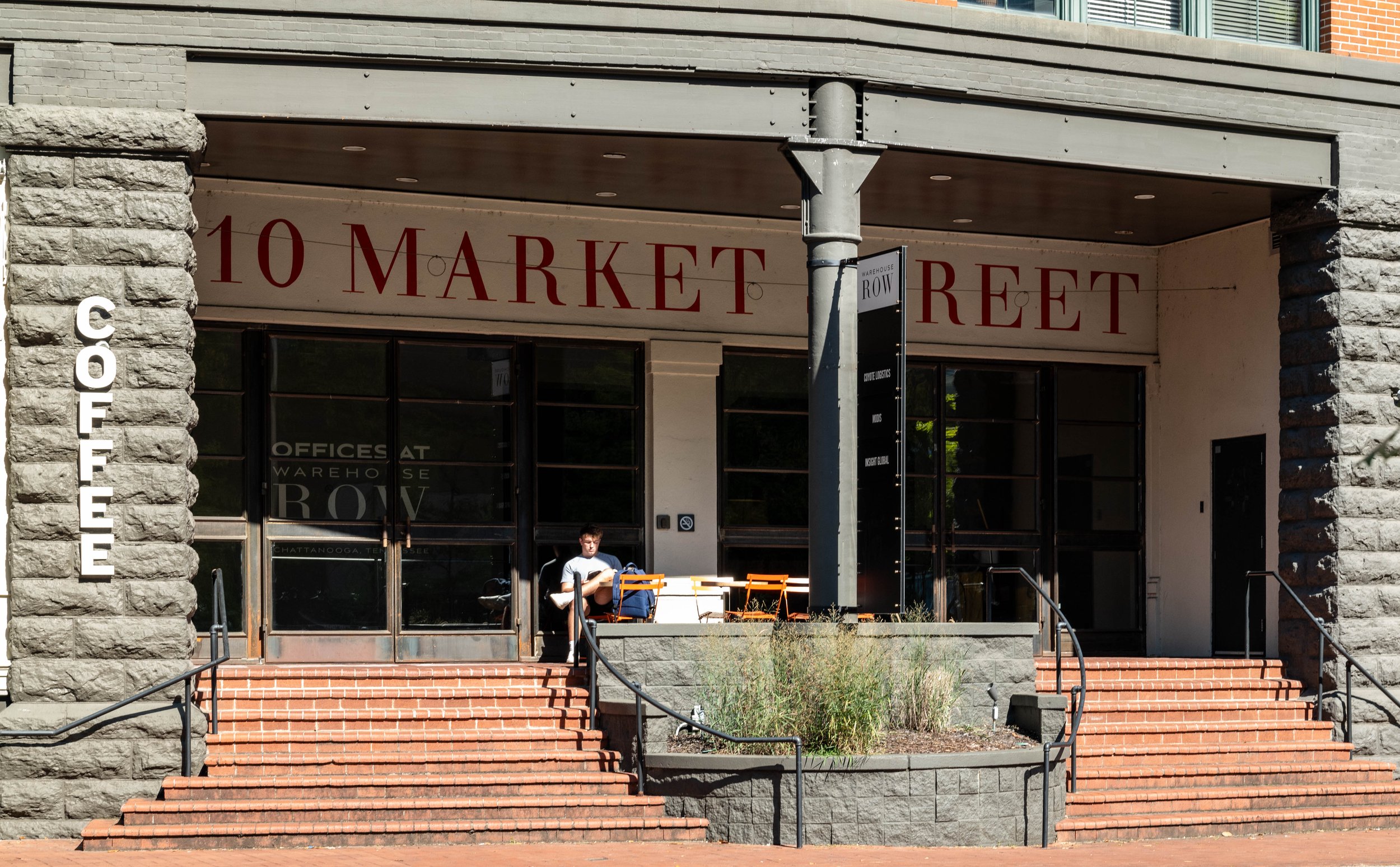
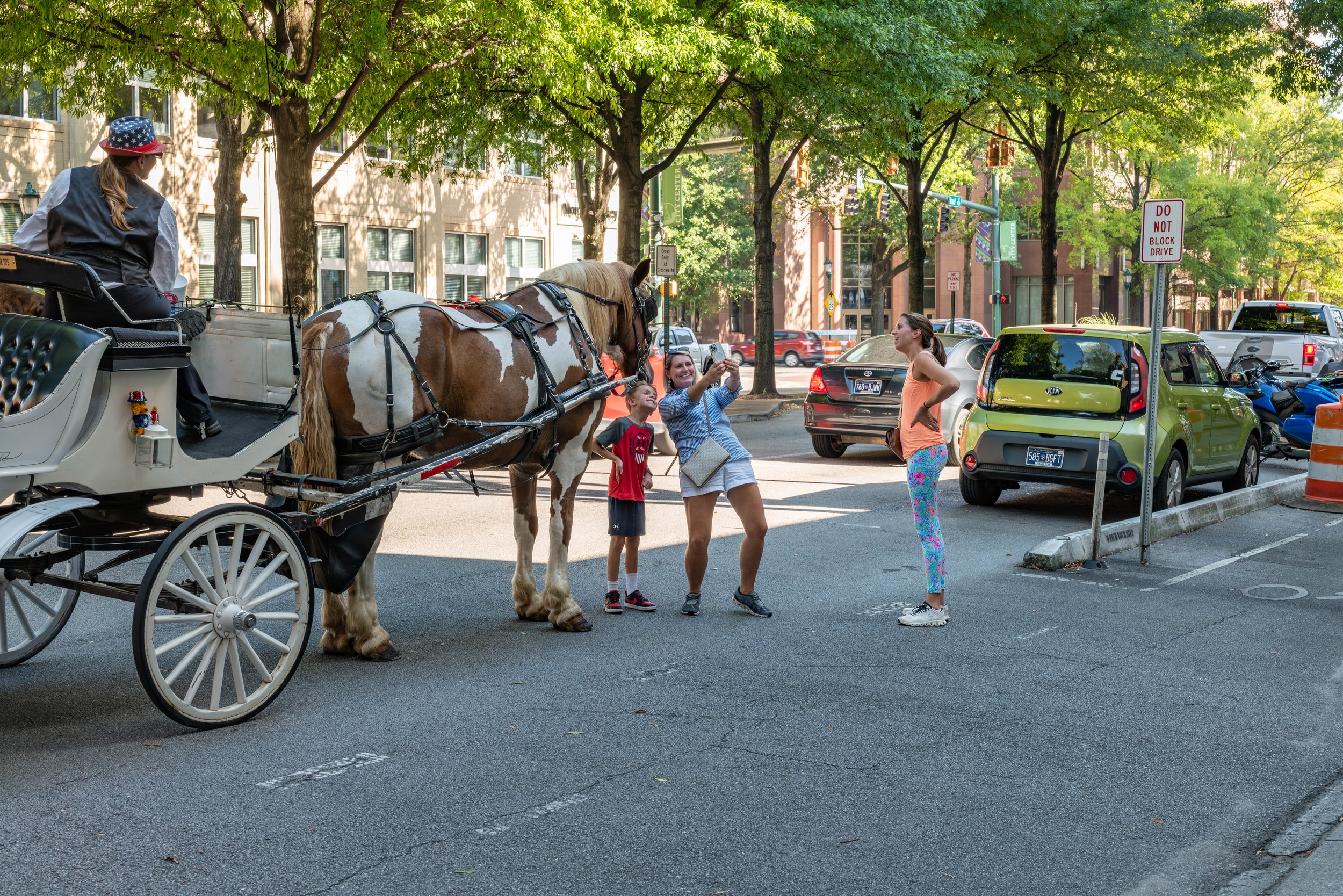
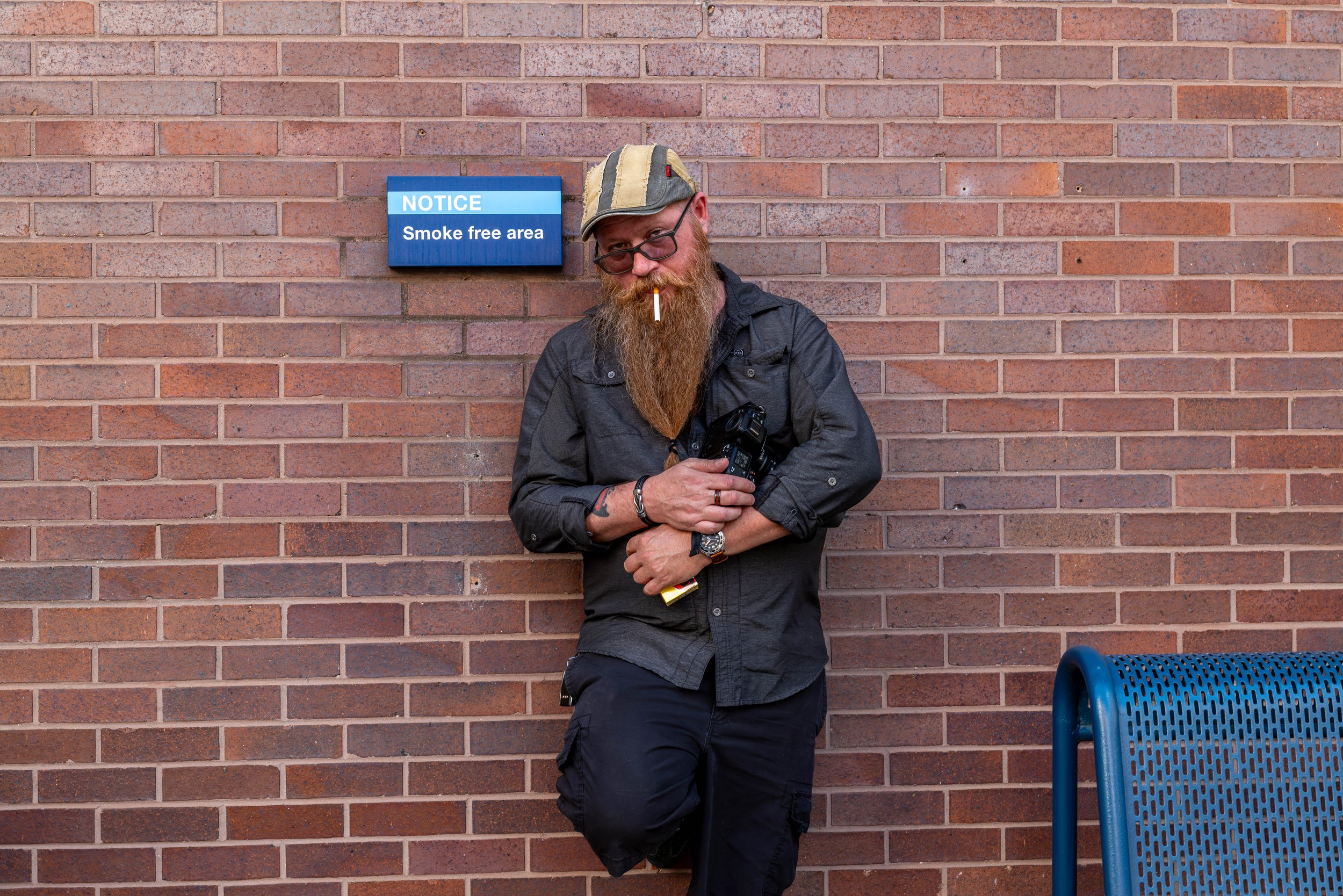
All in all we had a great time and then even got to go eat wonderful Italian cuisine later too. What more could you ask for? Well, there is one more thing I could ask for…
Lightroom Classic… I did it, I went over to the dark side and installed Lightroom back on my system again. It has the power to edit like I need finally and I kept running into problems that Exposure couldn’t easily solve for me so it was time to upgrade…or move over laterally to or what ever you call it…So going forward, I will be learning how to use Lightroom to edit my photos…wish me luck.
If you want to see more abotu this day, I made a vlog cideo about the photowalk portion of the day and it can be watched here.
What I Look For in Street Photography
During the photowalk, Aaron joked about me "channeling my inner Eggleston" as I photographed mundane things. But that's what street photography is about! Here's some of the things that I look for:
Light: Always first. How is the light hitting the subject? Is there interesting shadow play? Is it spilling from one building to another?
Layers: Foreground, midground, background. The best street photos have depth and multiple elements working together.
People: Not always necessary, but human presence adds scale and story. Even just a silhouette or someone walking through the frame.
Color or contrast: Bright colors that pop, or strong black and white contrast. Something that makes the eye stop.
Geometry: Leading lines, patterns, shapes, architecture. The bones of a good composition.
Moments: Candid expressions, interesting gestures, unexpected juxtapositions.
The mundane: Everyday things that become interesting when you isolate them with your camera.
Don't overthink it! Just walk and shoot what catches your eye. You can analyze it later when you're editing. Then you can take inventory of what you shoot the most and see if those images have some meaning or if it is just what you like to shoot…either way, it is good to get out and shoot photos so go have some fun.
Frequently Asked Questions About Street Photography and Chattanooga Photowalks
How do you overcome shyness when photographing strangers?
Honestly, I still struggle with this! I'm not aggressive with my photography, especially when people are involved. I'll ask permission sometimes, but most of the time I just shoot what feels natural without getting in people's faces. What helped at the beard competition was that people were already there to be seen and photographed. They were happy to pose! Events like this are perfect for breaking down those personal barriers to shooting photos of people you don't know. Start with events where people expect cameras, then work your way up to regular street photography. Aaron's advice of "get your camera out and take a picture with it" is the best cure for shyness, even if it feels awkward at first!
What's the best time of day for street photography in downtown Chattanooga?
The afternoon worked great for us! With the sun further over to the west, we kept getting these awesome light spill shots bouncing off buildings. The light was different from my usual shooting times, and it created some really interesting shadows and contrasts. Late afternoon (around 3-5pm) gives you that warm golden light that looks great for both architecture and people. Early morning works too, but afternoons tend to have more people out and about, which is what you want for street photography. Avoid harsh midday sun if you can, unless you're going for high-contrast black and white work!
What's a good street photography route in downtown Chattanooga?
The route Aaron and I took worked really well: Start on Main Street, head down Market Street to about 7th, turn over to Broad Street, then back towards Main, and eventually divert over to Cowart Street. This gives you a good mix of architecture, street scenes, and people. You'll pass old buildings like the Rone Regency Jewelers location (which has great gritty signage), modern storefronts, alleys with interesting light, and public spaces where people gather. The whole loop is maybe 2-3 miles depending on how much you wander, perfect for a couple hours of shooting!
Is the Leica SL2 too heavy for street photography?
Yes and no, lol. The SL2 is definitely heavy compared to smaller mirrorless cameras or rangefinders. But it makes stunning portraits and the image quality is just incredible. I kept it paired with just the 50mm lens to keep things simple. Is it the "ideal" street camera? Probably not if you're walking all day. But does it work? Absolutely! The weight actually helps stabilize handheld shots, and the build quality means I don't baby it. If you've got one, use it for street photography. Don't let the weight stop you. Your shoulders might complain, but the photos will be worth it!
Why was your Leica exposing differently than Aaron's Nikon?
Great question! I noticed my Leica SL2 wants to shoot about 2/3 stop overexposed compared to Aaron's Nikon cameras. I kept -2/3 stop exposure compensation dialed in the whole time to keep the sky from being blown out. The shadows would be dark anyway due to the bright afternoon sun, so I was protecting the highlights. Different camera brands meter scenes differently, and Leica tends to be a bit generous with exposure to preserve shadow detail. This is something you learn when shooting with multiple camera systems. Just dial in the compensation and keep shooting! I need to dig into my camera setup more to see if there's a metering mode that matches my shooting style better.
What camera settings do you use for street photography?
For this photowalk with the Leica SL2, I was shooting mostly in aperture priority mode with the 50mm lens. I kept -2/3 exposure compensation dialed in (as mentioned above). ISO was probably auto, and I let the camera pick the shutter speed. For street photography, I like to shoot wide open or close to it (f/2 to f/4) to get that subject separation, but I'll stop down if I need more depth of field. The key is to keep your settings simple so you're reacting to moments, not fiddling with dials. Set it and forget it, then just focus on composition and timing!
Can you photograph people at public events without permission?
At events like the beard competition where people are specifically there to show off and be seen? Yes! Most people were happy to be photographed and many posed for us. That said, I still try to be respectful. If someone looks uncomfortable or waves me off, I move on. For regular street photography, it's trickier. I generally don't ask permission before shooting (it kills the moment), but if someone objects after I've taken their photo, I delete it. Know your local laws, be respectful, and don't be creepy. Events are the easiest place to start because people expect cameras!
What makes a good subject for street photography?
Honestly? Almost anything! During the photowalk I kept joking about channeling my inner Eggleston as I would take photos of the mundane. Look for interesting light (like that spill on the Rone Regency Jewelers building), patterns, textures, people doing everyday things, architectural details, reflections, shadows... anything that catches your eye. Don't overthink it. I shot everything from bearded bikers to boarded-up buildings to random street corners. The beauty of street photography is finding the interesting in the ordinary. Just walk around and let things reveal themselves to you!
Should I shoot RAW or JPEG for street photography?
I shoot RAW because I like having the flexibility in post-processing. For this shoot, I ended up using Lightroom Classic to edit (I went back to the "dark side" after trying to use Exposure, lol). RAW gives me the power to recover highlights, lift shadows, and adjust colors the way I want them. That said, if you're comfortable with your camera's JPEG processing and you don't want to spend time editing, shoot JPEG! The best format is the one that gets you shooting. Street photography is about being out there capturing moments, not agonizing over file formats!
How do you choose which photos to keep from a street photography session?
I wish I had a good systematic answer for this, lol. Honestly, I just go through them and keep the ones that speak to me. Does the composition work? Is the light interesting? Did I capture a genuine moment or expression? Is there something about the image that makes me want to look at it again? I'm pretty ruthless in culling, especially with street photography where you might shoot hundreds of frames. If it doesn't grab me immediately, it gets deleted. The photos I shared in this post were the ones that stood out when I was editing. Trust your gut, and don't be afraid to delete mediocre shots. Only keep the good stuff!
BONUS QUESTION: What's the best way to learn street photography?
Go out with a friend like Aaron who will tell you to "get your camera out and take a picture with it"! Seriously, having a photography buddy makes a huge difference. You push each other, share ideas, and it's way less awkward than being alone with a camera on the street. Start with events (like the beard competition) where cameras are expected, then work up to regular street shooting. Use a simple setup (one camera, one lens), set your camera to aperture priority or full manual, and just walk. Don't overthink it. The best teacher is just getting out there and shooting. Oh, and watch Aaron's work or other street photographers you admire, but then go do your own thing. Your style will develop over time!
Support this website by using these affiliate links to shop on Amazon:
Leica M11 Digital Rangefinder Camera
Nikon AF-S FX NIKKOR 105mm f/1.4E ED Lens
Voigtlander Nokton 35mm f/1.4 II
Sandisk 128GB Extreme Pro memory cards
Nikon 50mm f1.8 S Lens for Z mount
Thanks for stopping by, now get your camera out and go take a photo or two with it!